Physical Address
840 Oakwood Rd, Charleston, WV 25314
Physical Address
840 Oakwood Rd, Charleston, WV 25314

Have you ever walked from the living room to the kitchen and noticed your dog following right behind you? Then you go to the bedroom, and there they are again. You try to use the bathroom, and your dog is waiting outside the door like a tiny security guard.
Many dog owners laugh about this behavior, but deep down, they also wonder: Why does my dog follow me everywhere?
The truth is, your dog is not doing it randomly. Dogs follow their owners for many reasons. Some reasons are sweet, some are based on instinct, and some may be signs that your dog needs more comfort or confidence.
In this post, we’ll explore the real reasons why dogs follow their owners everywhere and what this behavior says about your bond.
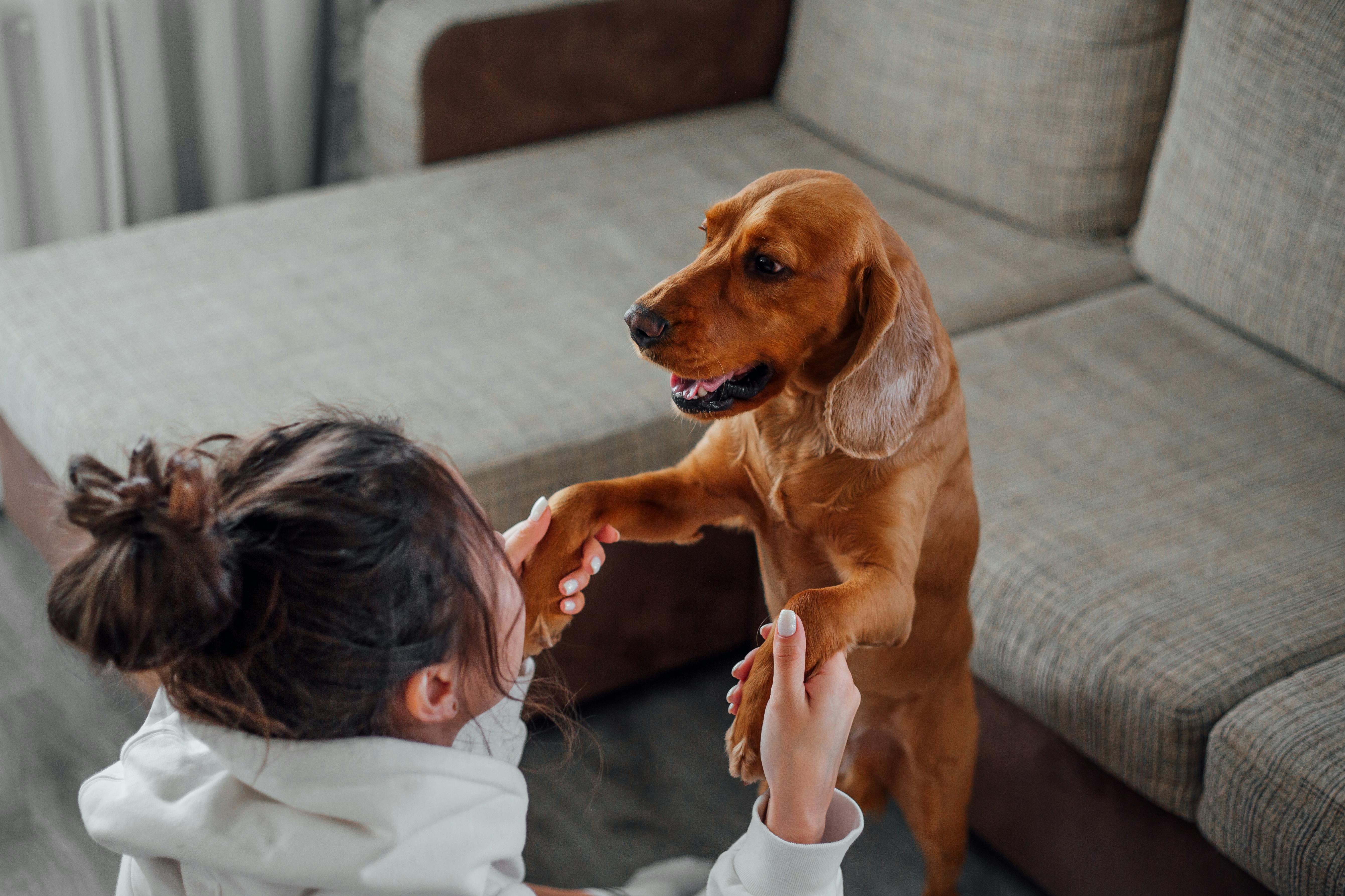
One of the biggest reasons dogs follow their owners everywhere is simple: you make them feel safe.
Dogs are social animals. In the wild, canines live and move in groups. Being close to their pack helps them feel protected. In your home, you are part of your dog’s pack. In fact, to your dog, you may be the most important member of the family.
When your dog follows you from room to room, they may be saying, “I feel better when I am near you.”
This is especially common in dogs that have a strong bond with their owner. They may not want to miss where you are going, what you are doing, or whether you are about to leave. Your presence gives them comfort.
Some dogs are naturally more independent, while others are more attached. Breeds known for being very people-focused may follow their owners more often. But any dog can become a little shadow if they feel deeply connected to their human.
So, when your dog walks behind you all day, it can be a sign of trust. They believe that being near you is the safest place to be.
Dogs are curious about almost everything. If you move, open a drawer, walk into the kitchen, or pick up your keys, your dog may instantly wonder what is happening.
To dogs, every small action can mean something exciting.
Maybe you are getting food. Maybe you are going outside. Maybe you are picking up their leash. Maybe you are about to sit on the sofa, which means cuddle time. Your dog does not want to miss any chance for something fun.
This is why dogs often follow their owners into the kitchen. They know that food sometimes appears there. Even if you are only getting a glass of water, your dog may still think, “Maybe this time, there will be a snack.”
Dogs learn patterns quickly. If following you has ever led to food, attention, play, or outdoor time, your dog will remember it. The next time you move, they may follow again, hoping something good will happen.
Curiosity is not a bad thing. It means your dog is interested in your world. To them, you are the most exciting part of the house.

Sometimes dogs follow their owners because they want attention. This does not always mean they are needy. Dogs simply enjoy interaction with the people they love.
Your dog may follow you because they want you to pet them, talk to them, play with them, or simply look at them. Even a small smile or gentle touch can feel rewarding to your dog.
If your dog follows you and then brings a toy, puts their paw on you, or stares at you with soft eyes, they may be asking for connection.
Dogs are very good at learning what works. If following you gets them attention, they may keep doing it. For example, if your dog follows you into the room and you say, “Hi baby!” or give them a treat, they learn that following you brings a positive result.
This is not always a problem. In fact, it can be a sweet part of your relationship. But if your dog follows you constantly and seems unable to relax without you, it may help to give them structured playtime, mental stimulation, and a comfortable resting space.
A happy dog does not need attention every second, but they do need regular love, exercise, and bonding time.
Dogs love routines. They may not read clocks, but they are excellent at reading your habits.
Your dog may know when you usually wake up, when you eat, when you go to work, when you come home, and when you take them for a walk. Because of this, your daily movement becomes very important to them.
For example, if you usually take your dog outside after breakfast, they may start following you as soon as you finish eating. If you usually feed them after coming home, they may follow you straight to the kitchen.
Your dog is watching for clues.
Small actions like wearing certain shoes, picking up keys, opening a cabinet, or turning off the TV can all become signals. Your dog connects these signals with what usually happens next.
This is why your dog may suddenly become excited before walk time, even before you say anything. They have learned your routine so well that they can predict your next move.
Following you is their way of staying ready.
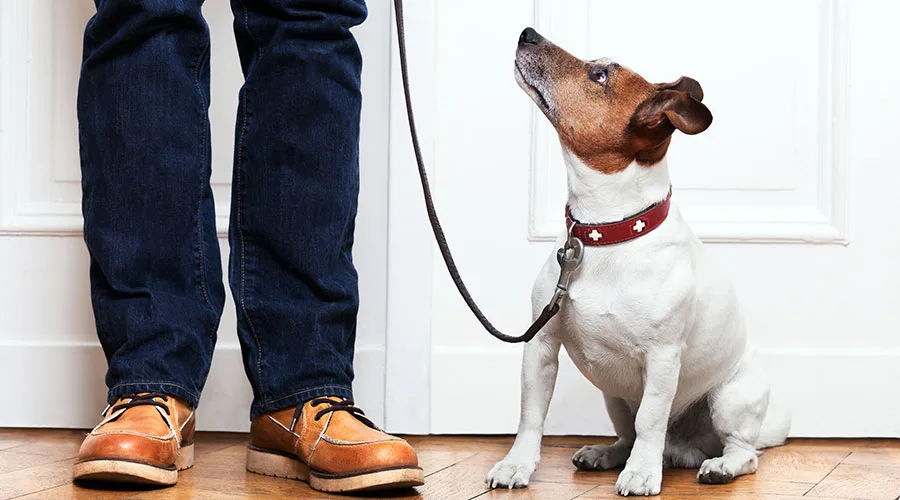
can be normal and loving, sometimes it can be connected to separation anxiety.
Separation anxiety happens when a dog becomes very stressed when away from their owner. A dog with separation anxiety may follow you constantly because they are afraid you will leave.
Some signs may include:
It is important to understand the difference between a loving dog and an anxious dog. A loving dog follows you but can still rest, sleep, eat, and relax when you are busy. An anxious dog may seem unable to calm down unless they are close to you.
If your dog shows strong signs of anxiety, be patient. Do not punish them for being afraid. Instead, help them build confidence slowly.
You can start by practicing short moments of distance at home. For example, give your dog a comfortable bed, a chew toy, or a puzzle toy while you step into another room for a short time. Return calmly and avoid making leaving or returning too dramatic.
If the anxiety is serious, it may help to speak with a veterinarian or a professional dog trainer.
Your dog is not trying to be difficult. They may simply need support to feel secure.
Some dogs are known as “Velcro dogs.” This means they love staying close to their owners almost all the time.
These dogs may follow you from room to room, sit at your feet, sleep near you, and watch everything you do. They are deeply attached and often happiest when they are close to their favorite person.
This behavior can be common in certain breeds, especially dogs that were bred to work closely with humans. Herding dogs, companion dogs, and some working breeds may naturally want to stay near their owner.
But personality matters too. Even within the same breed, one dog may be independent while another is extremely clingy.
A Velcro dog is not always anxious. Many are simply affectionate and people-loving. The key question is: can your dog relax when you are not right beside them?
If yes, then your dog may simply be loyal and attached. If not, they may need help building independence.
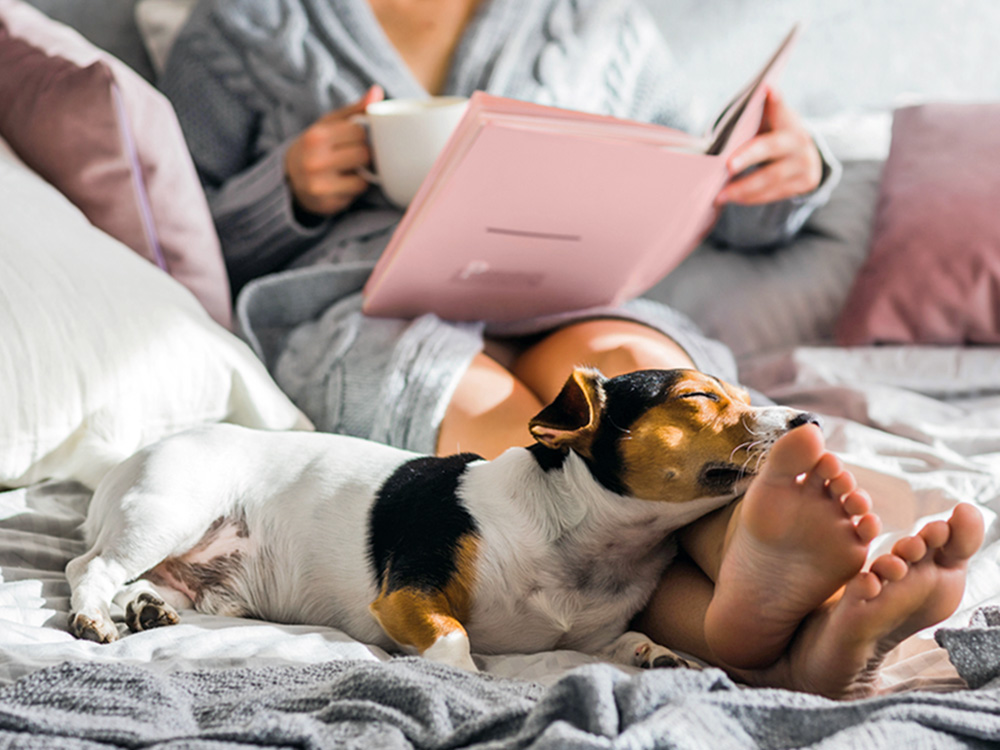
The most heartwarming reason your dog follows you everywhere is love.
Dogs may not say “I love you” with words, but they show it through their actions. Following you, leaning on you, sitting close, bringing toys, wagging their tail, and looking into your eyes are all signs of connection.
To your dog, you are more than just the person who feeds them. You are their family, comfort, entertainment, and safety.
When your dog follows you, they may simply want to be part of your life. They do not understand privacy the same way humans do. If they love you, they want to be near you.
Even when you are doing something boring, your dog may still think being with you is better than being alone.
That kind of love is one of the reasons dogs are such special companions.
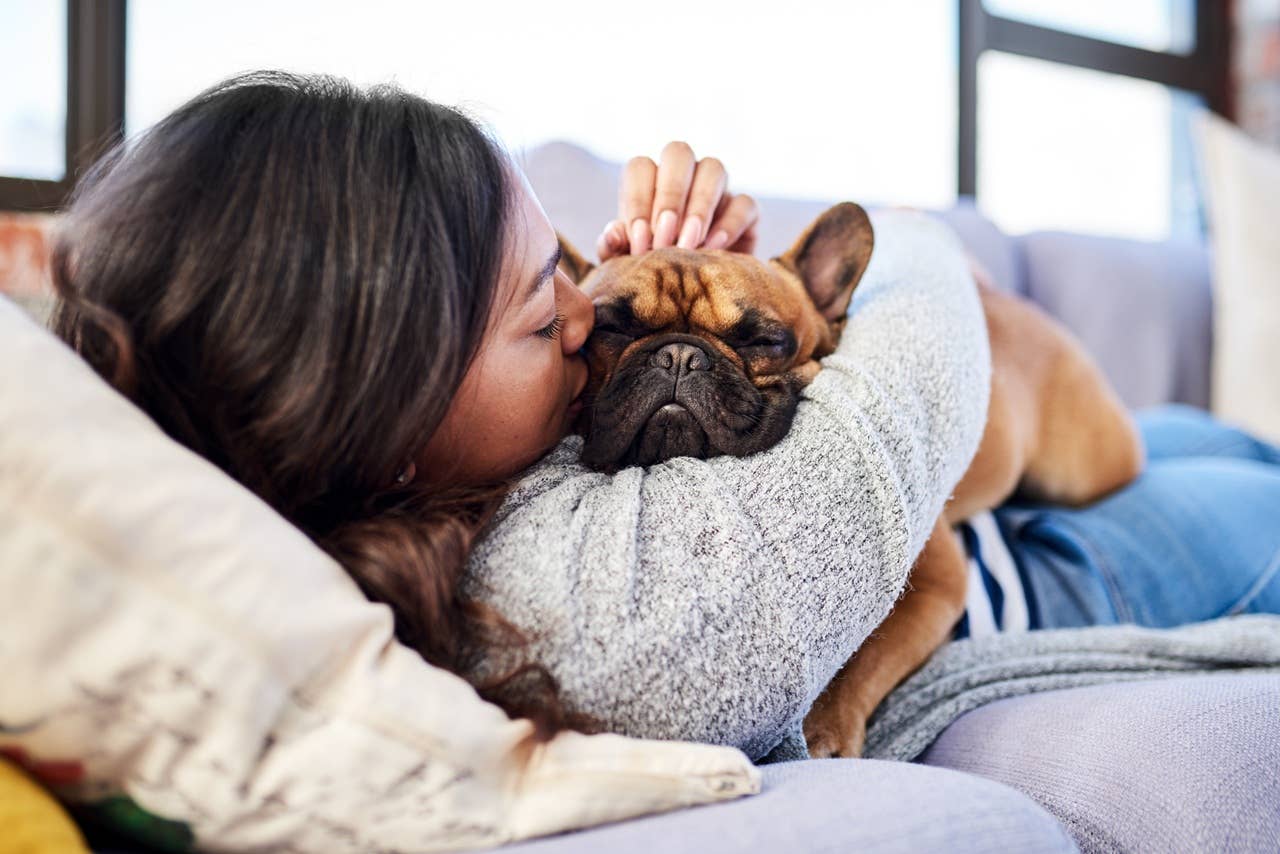
In most cases, you do not need to stop your dog from following you. It is usually a normal behavior and a sign of love, trust, and bonding.
However, it is healthy for your dog to learn some independence. A dog should feel safe even when you are in another room or away from home for a short time.
You can help by creating a comfortable resting place for your dog. Add a soft bed, favorite toy, and maybe a safe chew toy. Reward your dog when they relax there calmly.
You can also give your dog mental activities, such as puzzle toys, treat games, or simple training sessions. A mentally satisfied dog is often calmer and less likely to follow you every second.
Daily walks and playtime also help. Sometimes dogs follow their owners because they are bored and looking for something to do.
The goal is not to reject your dog. The goal is to help them feel loved and confident at the same time.
Dogs follow their owners everywhere for many reasons. They may feel safe with you, want attention, follow your routine, feel curious, or simply love being close to you.
Most of the time, this behavior is sweet and normal. It shows that your dog trusts you and wants to be part of your daily life.
But if your dog seems stressed, panicked, or unable to relax without you, it may be a sign they need extra support. With patience, routine, and gentle training, you can help your dog feel more confident.
So, the next time your dog follows you into the kitchen, bedroom, or even waits outside the bathroom door, remember this: you are their favorite person.
To your dog, being near you is one of the best parts of the day.