Physical Address
840 Oakwood Rd, Charleston, WV 25314
Physical Address
840 Oakwood Rd, Charleston, WV 25314

Owning a dog is one of the most rewarding experiences in life. Dogs bring love, loyalty, laughter, protection, and comfort into our homes. They greet us with excitement, follow us with trust, and love us in a way that feels pure and honest.
But even loving dog owners can make mistakes without realizing it.
Sometimes we feed too much because we want to show love. Sometimes we skip training because our dog is “still young.” Sometimes we ignore small behavior changes because we think they are normal. These mistakes may seem small at first, but over time, they can affect your dog’s health, behavior, and happiness.
The good news is that most dog care mistakes are easy to fix once you understand them.
In this post, we’ll look at 6 common mistakes dog owners should avoid and what you can do instead to help your dog live a healthier, calmer, and happier life.

One of the most common mistakes dog owners make is being inconsistent with training.
Dogs learn through repetition, routine, and clear expectations. If the rules change every day, your dog can become confused.
For example, if your dog is allowed to jump on you when you are wearing casual clothes, but gets scolded for jumping when guests arrive, they may not understand the difference. If your dog is allowed on the sofa some days but punished for it on other days, they may feel unsure about what you want.
Dogs do not understand “sometimes yes, sometimes no” as easily as humans do.
Consistency helps your dog feel secure. When the rules are clear, your dog can learn faster and behave better. Everyone in the family should try to follow the same rules. If one person allows table begging and another person gets angry about it, your dog will keep trying because the behavior sometimes works.
Training does not have to be harsh. In fact, positive and calm training is usually more effective. Reward the behavior you want. Praise your dog when they sit calmly, walk nicely, come when called, or relax in their bed.
Your dog is not trying to be difficult. They are trying to understand your world.
A clear routine and consistent rules can make your dog more confident, more relaxed, and easier to live with.
Many behavior problems happen because dogs have too much unused energy.
A dog that does not get enough exercise may bark too much, chew furniture, dig, jump on people, run around the house, or follow the owner constantly. These behaviors are often not signs of a “bad dog.” They can be signs of boredom, frustration, or lack of stimulation.
Dogs need movement, but they also need mental activity. A short walk may not be enough for some dogs, especially active breeds. They may need playtime, sniffing time, training games, puzzle toys, or safe running space.
Mental stimulation is just as important as physical exercise. Dogs love using their noses and brains. A slow sniff walk can be more satisfying than a rushed walk because your dog gets to explore scents and process information.
Simple activities can help a lot. You can hide treats around the room, teach a new command, use a puzzle feeder, play fetch, or practice basic obedience for a few minutes each day.
A tired and mentally satisfied dog is usually calmer at home.
The goal is not to exhaust your dog completely. The goal is to give them healthy ways to use their natural energy.
When dogs get enough exercise and enrichment, they are less likely to create their own entertainment in ways you do not like.

Many owners show love through food. A little treat, a bite from the table, or extra food in the bowl can feel harmless. But over time, too much food can lead to weight gain and health problems.
Dogs do not always know when to stop eating. Some dogs will act hungry even after they have had enough. Their big eyes can make it hard to say no, but feeding too much is not the best way to show love.
Extra weight can put stress on your dog’s joints, heart, breathing, and energy levels. It can also make it harder for your dog to run, play, and enjoy daily life.
Treats are not bad, but they should be used carefully. Treats should be part of your dog’s daily food amount, not extra calories added all day long.
Also, not all human foods are safe for dogs. Some foods can upset their stomach, and some can be dangerous. It is better to avoid feeding random table scraps unless you know they are safe.
A better way to show love is through play, attention, grooming, training, walks, and calm time together.
If you are unsure how much your dog should eat, check the food label and speak with your veterinarian. The right amount can depend on your dog’s age, size, activity level, breed, and health condition.
Feeding with love means feeding wisely.
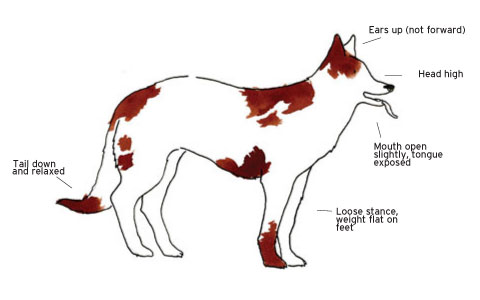
Dogs communicate all the time, but they do not use words. They speak through body language.
One common mistake is missing the early signs of stress, fear, discomfort, or overstimulation. Many dogs give small warnings before they bark, growl, snap, or hide. If owners miss those signs, the dog may feel forced to react more strongly.
Signs of stress may include lip licking, yawning, turning the head away, whale eye, tucked tail, stiff body, pinned ears, pacing, shaking, or avoiding contact.
A wagging tail does not always mean happiness. A stiff wag can mean tension or uncertainty. A relaxed body and soft tail movement are usually better signs of comfort.
This is especially important around children, strangers, other dogs, or new environments. If your dog is trying to move away, do not force them to stay. If your dog looks uncomfortable, give them space.
Respecting your dog’s body language builds trust. Your dog learns that you will listen when they feel unsure.
It is also helpful to teach family members, especially children, how to interact gently with dogs. Dogs should not be pulled, chased, hugged tightly, or bothered while eating or sleeping.
Understanding body language can prevent stress and keep everyone safer.
Your dog is always talking. A good owner learns how to listen.
Some owners only take their dog to the veterinarian when something looks seriously wrong. But dogs can hide discomfort, and small problems can become bigger if ignored.
Regular vet checkups help catch health issues early. Your veterinarian can check your dog’s teeth, weight, skin, ears, joints, heart, and overall health. They can also guide you on vaccines, parasite prevention, nutrition, and age-related care.
Dental care is another area many owners forget. Bad breath, swollen gums, or trouble chewing can be signs of dental problems. Dental pain can affect your dog’s mood, eating, and quality of life.
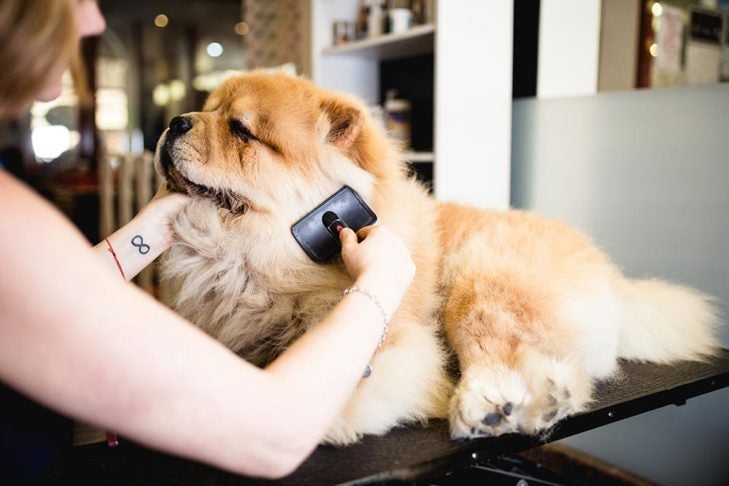
Grooming is also part of health care. Brushing removes loose hair, prevents mats, and helps you notice skin problems, lumps, ticks, or injuries. Nail trimming is important too. Long nails can make walking uncomfortable and may affect posture.
Dogs with long coats, floppy ears, wrinkles, or skin folds may need extra care. Some breeds require more grooming than others.
Regular care does not only make your dog look good. It helps them feel good.
A healthy dog is often a happier and more comfortable dog.
Another mistake dog owners should avoid is using punishment without teaching the dog what to do instead.
Shouting, hitting, or frightening a dog can damage trust. It may stop a behavior for a moment, but it does not clearly teach the dog the right choice. It can also increase fear, anxiety, or defensive behavior.
Dogs learn better when they understand what behavior earns a reward.
For example, if your dog jumps on guests, teach them to sit when greeting people. If your dog chews shoes, give them safe chew toys and reward them for using those instead. If your dog pulls on the leash, practice calm walking and reward them when they stay near you.
Training should guide your dog, not scare them.
This does not mean you allow bad behavior. Dogs need boundaries. But boundaries should be clear, calm, and fair.
A good question to ask is: “What do I want my dog to do instead?”
When you teach the replacement behavior, your dog has a better chance to succeed.
Patience matters. Some dogs learn quickly, while others need more repetition. Puppies, rescue dogs, nervous dogs, and high-energy dogs may need extra time.
Your dog wants to please you, but they need your help understanding how.

One more mistake many owners make is comparing their dog to another dog.
Every dog has a different personality, history, energy level, fear level, and learning speed. Some dogs are social and playful. Others are shy and cautious. Some love cuddles. Others prefer space. Some learn commands quickly. Others need more patience.
Your dog does not need to be exactly like another dog.
Instead of comparing, pay attention to your own dog’s needs. What makes them happy? What scares them? What motivates them? What helps them calm down?
When you understand your dog as an individual, your care becomes better.
A strong relationship is built by knowing the dog in front of you, not trying to force them into someone else’s idea of a perfect pet.
Being a good dog owner does not mean you never make mistakes. Every owner learns along the way.
The most important thing is to stay patient, observant, and willing to improve.
Start with small changes. Make your rules more consistent. Add a short daily play session. Measure your dog’s food. Watch their body language. Schedule regular care. Use positive training instead of fear.
These simple habits can make a big difference over time.
Your dog does not need a perfect life. They need a safe, loving, and understanding home.
When you care for your dog’s body, mind, and emotions, you help them become more relaxed, confident, and happy.
Dog ownership is full of love, but it also comes with responsibility.
The most common mistakes dog owners should avoid include inconsistent training, lack of exercise, overfeeding, ignoring body language, skipping health care, and punishing instead of teaching.
These mistakes are common because many owners simply do not know better at first. But once you understand them, you can make better choices for your dog.
Your dog depends on you for food, safety, guidance, comfort, and love. Every small improvement you make can help your dog live a better life.
So, if you recognize one of these mistakes, do not feel guilty. Use it as a chance to grow.
A better owner creates a better life for their dog — and a happier bond for both of you.