Physical Address
840 Oakwood Rd, Charleston, WV 25314
Physical Address
840 Oakwood Rd, Charleston, WV 25314

Have you ever looked into your dog’s eyes and wondered what they would say if they could talk?
Maybe your dog would ask for more walks, more treats, or a bigger space on the sofa. But if dogs could truly speak, they would probably tell us something much deeper.
Dogs live beside us every day. They watch our routines, listen to our voices, follow our moods, and try their best to understand our world. But sometimes, we forget that they also have feelings, fears, needs, and their own way of communicating.
Your dog may not use words, but they are always speaking through body language, behavior, eye contact, tail movement, sounds, and daily habits.
In this post, we’ll explore 5 things your dog wishes you knew. Understanding these simple truths can help you build a stronger, happier, and more loving bond with your best friend.

One of the biggest things your dog wishes you knew is that they are always communicating.
Dogs use their whole body to express feelings. Their tail, ears, eyes, mouth, posture, and movement can tell you whether they are happy, nervous, playful, tired, or uncomfortable.
A wagging tail does not always mean a dog is happy. Sometimes, a fast or stiff wag can mean excitement, stress, or uncertainty. A relaxed wag with a soft body usually shows friendliness, but a stiff body with a raised tail may mean your dog is alert or unsure.
Your dog’s ears can also tell a story. Forward ears may show interest. Flattened ears may show fear or discomfort. Soft eyes often show calmness, while wide eyes may mean stress.
Many dogs also show stress through small signs that people miss. They may lick their lips, yawn, turn their head away, avoid eye contact, tuck their tail, or move away from something.
These signs are important. Your dog may be saying, “I need space,” “I am scared,” or “I am not comfortable.”
When owners understand dog body language, they can prevent stress before it becomes a bigger problem. Instead of forcing your dog into uncomfortable situations, you can support them gently.
Your dog wants you to notice the little signs. They want you to understand that behavior is communication.
The more you learn your dog’s body language, the more your dog will trust you.
Dogs love routines more than many people realize.
Your dog may know when you wake up, when you prepare food, when you go to work, when you come home, and when it is time for a walk. Even small daily habits can become important signals to them.
A routine helps your dog feel safe because it makes life predictable. When your dog knows what to expect, they feel calmer and more confident.
This is why sudden changes can sometimes affect your dog’s behavior. If feeding time changes, walks stop, or you are away more than usual, your dog may become confused or anxious. They may follow you more, bark more, sleep more, or act restless.
Your dog does not need a perfect schedule, but they do need some consistency.
Simple routines can make a big difference. Feeding your dog at similar times, giving regular walks, having short play sessions, and creating a calm bedtime habit can help your dog feel secure.
A routine also helps with training. Dogs learn better when rules and expectations are clear. If one day they are allowed to jump on guests, but the next day they are scolded for it, they may become confused.
Your dog wishes you knew that consistency is kindness.
When life feels predictable, your dog can relax and enjoy being part of your family.
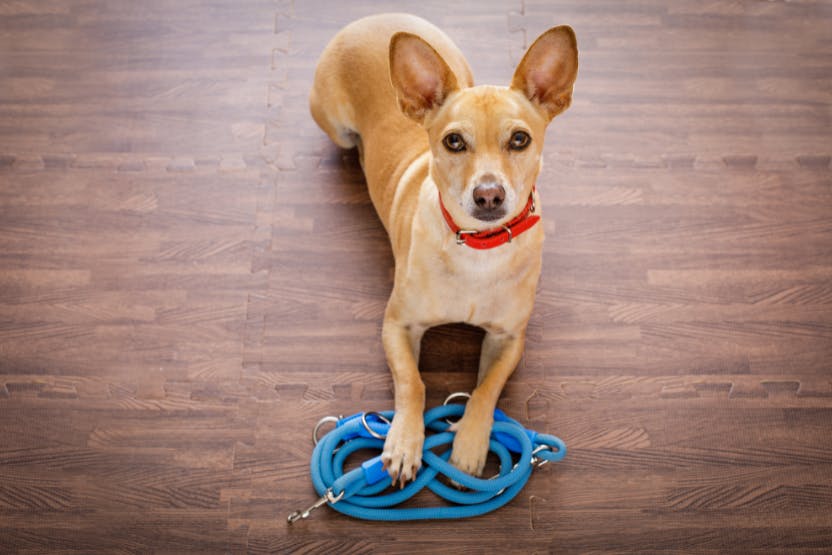
Dogs are sensitive animals. They can notice your tone, facial expression, body movement, and energy. But they do not always understand human anger the way we think they do.
For example, if your dog chews something while you are away and you scold them much later, they may not clearly connect your anger to what happened earlier. They may look “guilty,” but often that guilty face is actually a reaction to your upset voice and body language.
Your dog may lower their head, avoid eye contact, tuck their tail, or move away because they know you are angry. But that does not always mean they understand the reason.
This is why calm, clear training works better than shouting or punishment.
Dogs learn best when they are rewarded for the behavior you want. If your dog sits calmly, reward them. If they chew the right toy, praise them. If they come when called, make it a positive moment.
Your dog wishes you knew that they are not trying to make you upset. Many unwanted behaviors happen because of boredom, stress, lack of training, too much energy, or confusion.
Instead of asking, “Why is my dog being bad?” try asking, “What does my dog need right now?”
Maybe they need more exercise. Maybe they need a chew toy. Maybe they need clearer rules. Maybe they need patience.
Your dog wants to please you, but they need you to teach them in a way they can understand.
Food and water are important, but your dog needs more than basic care to live a happy life.
Dogs need exercise, mental stimulation, social connection, rest, and love. Without these, a dog may become bored, anxious, or frustrated.
A dog that does not get enough activity may start chewing furniture, barking too much, digging, jumping, or following the owner constantly. These behaviors are not always “bad behavior.” Sometimes, they are signs that your dog needs an outlet.
Exercise does not have to be complicated. A daily walk, short game of fetch, tug toy session, or training practice can help your dog release energy.
Mental stimulation is just as important. Dogs enjoy using their brains. Puzzle toys, sniffing games, treat searches, and simple commands can make your dog feel engaged and satisfied.
One of the easiest activities is a sniff walk. Instead of rushing your dog, let them smell the ground, grass, trees, and corners. Smelling is like reading the news for dogs. It gives them information about the world.
Your dog also needs quality time with you. They do not always need expensive toys or fancy treats. Sometimes, they just want your attention.
A few minutes of focused play or gentle affection can mean a lot.
Your dog wishes you knew that a happy life is not only about surviving. It is about feeling loved, active, and included.
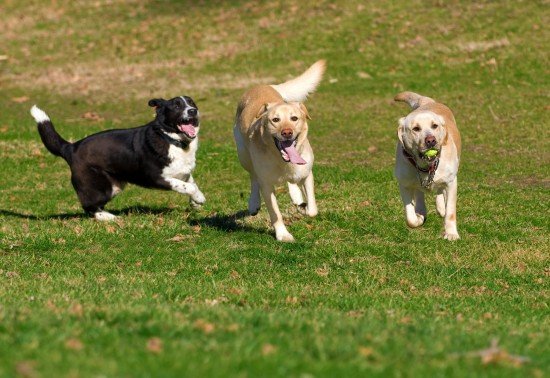
Your dog may show love in many small ways.
They may follow you from room to room, lean against your leg, bring you a toy, rest their head on your lap, wag their tail when they see you, or sleep near your feet. These actions may seem simple, but to your dog, they are meaningful.
Dogs are social animals. Being close to their family makes them feel safe and connected.
Some dogs are very expressive. They jump, lick, wag, and get excited. Other dogs are quieter. They may show love by sitting near you calmly or watching you from across the room.
Every dog has a different personality. Not all dogs like hugs. Not all dogs enjoy being picked up. Some love belly rubs, while others prefer gentle head scratches or simply being beside you.
Your dog wishes you knew that love should be understood in their language too.
If your dog moves away, turns their head, or becomes stiff during hugs, they may not enjoy that kind of affection. That does not mean they do not love you. It simply means they prefer love in another form.
Respecting your dog’s comfort makes your bond stronger.
The best love is not forcing affection. It is learning what makes your dog feel safe, happy, and trusted.
When your dog chooses to stay near you, look at you softly, or rest beside you, they are saying something beautiful: “You are my person.”
Your dog is learning every day.
They are learning your words, your habits, your rules, your emotions, and your home. Sometimes they will make mistakes. Sometimes they will forget training. Sometimes they will act out because they are tired, excited, scared, or confused.
Patience is one of the greatest gifts you can give your dog.
Training takes time. Confidence takes time. Trust takes time.
If your dog is nervous, help them slowly. If they are energetic, guide them with exercise and play. If they make mistakes, teach them clearly and calmly.
Dogs do not need perfect owners. They need loving owners who are willing to understand them.
The more patient you are, the safer your dog will feel. And when your dog feels safe, they can become their best self.
Dogs may not speak our language, but they are always communicating with us.
They want us to understand their body language, respect their feelings, give them routine, guide them with patience, and love them in a way they can understand.
The truth is, your dog does not need you to be perfect. They simply need you to pay attention.
When you learn what your dog is trying to tell you, your relationship becomes deeper. You stop seeing behavior as random and start seeing it as communication.
So, the next time your dog follows you, looks at you, brings you a toy, or rests beside you, remember this: your dog is sharing their world with you.
And in their own quiet, loyal, tail-wagging way, they are hoping you understand.