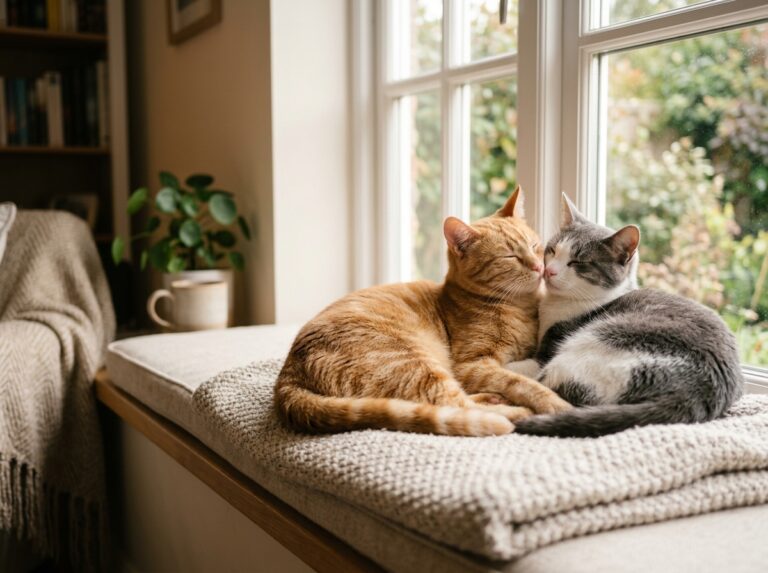
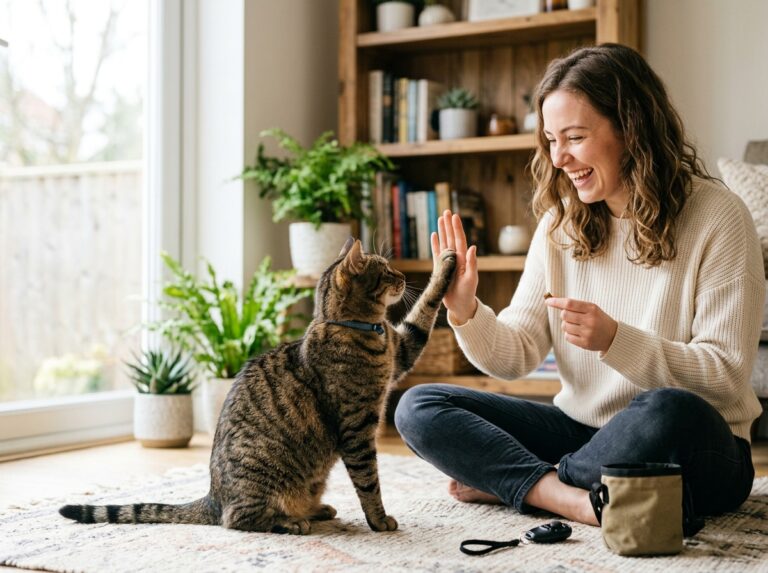
Physical Address
840 Oakwood Rd, Charleston, WV 25314
Physical Address
840 Oakwood Rd, Charleston, WV 25314

Have you ever looked at your cat and wondered, “What are you thinking?” Cats may seem quiet, sleepy, and independent, but behind those beautiful eyes is a world full of mystery, emotion, and clever behavior.
Your cat is not just sleeping all day or randomly knocking things off the table. Many of their actions have meaning. Some are signs of love. Some are survival instincts. And some are simply their funny little way of communicating with you.
In this post, we’ll explore 5 things you didn’t know about your cat. By the end, you may understand your furry friend much better.
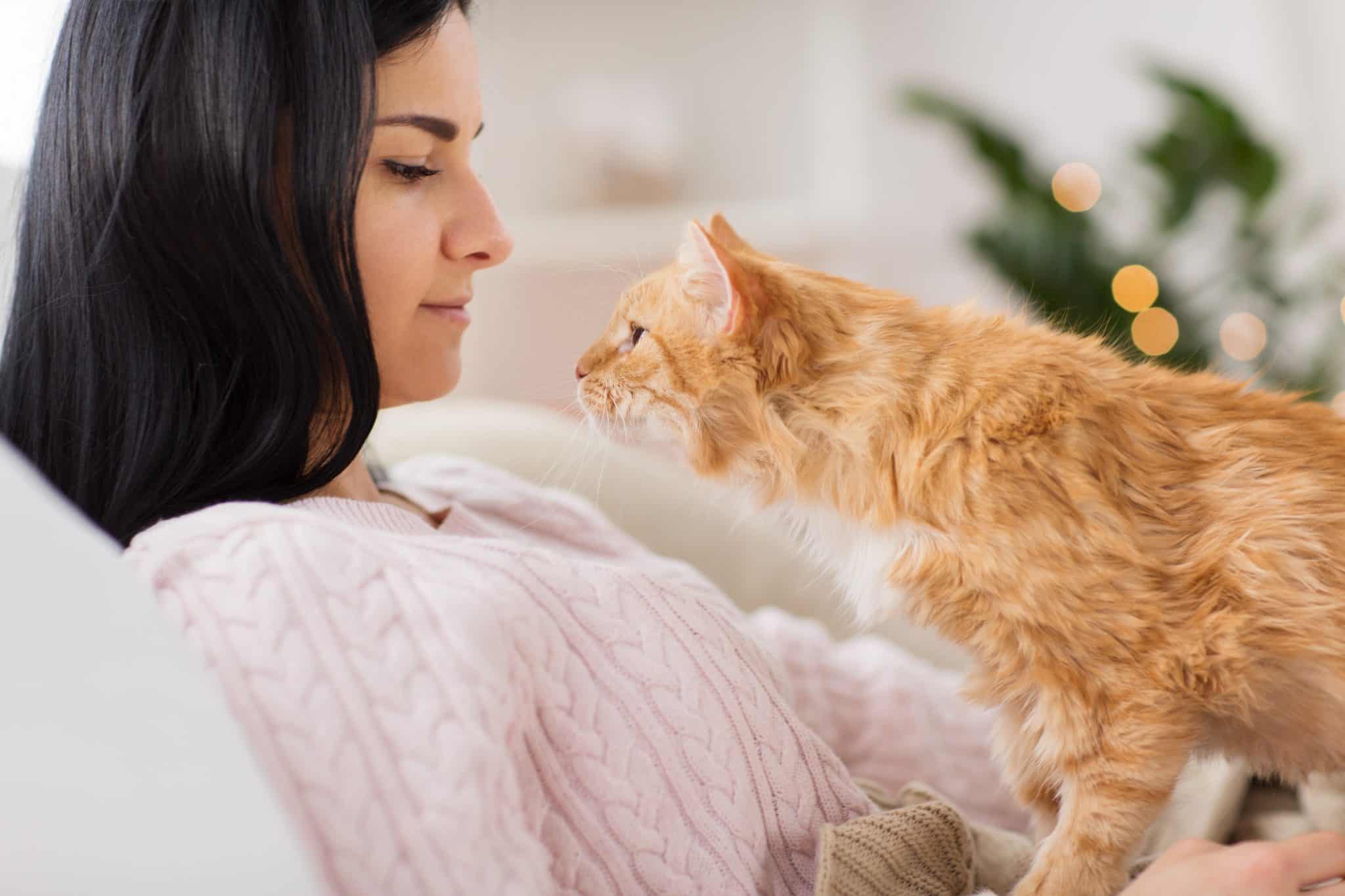
One of the sweetest things cats do is the slow blink. You may have seen your cat looking at you, slowly closing their eyes, then opening them again.
This is not just a sleepy face. In cat language, a slow blink often means trust and comfort. Cats are naturally cautious animals. In the wild, closing their eyes can make them vulnerable. So, when your cat slow blinks at you, it can be their way of saying, “I feel safe with you.”
You can even try slow blinking back. Look at your cat gently, slowly close your eyes, then open them again. Do not stare too strongly because cats may see direct staring as a challenge. Keep your face soft and calm.
Over time, your cat may respond with another slow blink. It is like a quiet conversation between you and your pet.
This small moment may not look like much, but it can build a deeper bond. Cats do not always show love in obvious ways like dogs do. Instead, they use gentle signals. A slow blink is one of the most beautiful signs of feline affection.
Cats do not only understand the world through sight. Their nose plays a huge role in their daily life. In fact, scent is one of the most important ways cats explore, remember, and feel safe.
That is why your cat may sniff your shoes, bags, clothes, or even visitors. They are collecting information. To them, every smell tells a story.
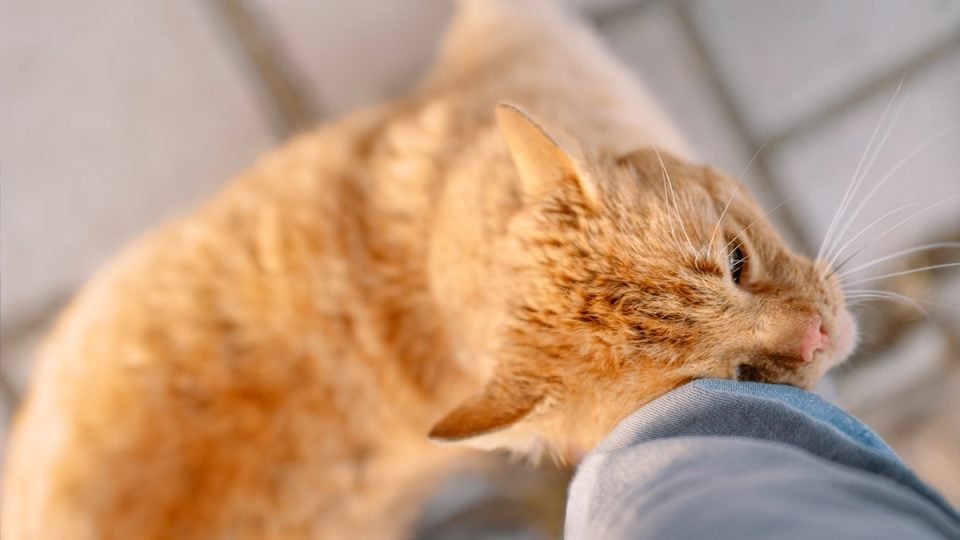
Your cat also uses scent to mark things they like. When your cat rubs their face against your hand, leg, sofa, or door frame, they are not just asking for attention. They are leaving their scent behind.
Cats have scent glands around their cheeks, chin, forehead, and paws. When they rub on you, they are marking you as part of their safe world. In simple words, your cat may be saying, “This human belongs with me.”
This is also why cats may feel stressed when you move furniture, clean too strongly, or bring home something with a new smell. Their familiar scent map changes, and they need time to adjust.
So, when your cat rubs against you, take it as a compliment. You are part of their trusted territory.
Why do cats love boxes so much? You can buy them an expensive cat bed, but they may choose the delivery box instead.
There is a reason for this funny behavior.
Boxes make cats feel protected. A box has walls around it, which gives your cat a sense of safety. It also gives them a hidden place to watch the room without feeling exposed.
Cats are both predators and cautious animals. They like to observe before they act. A box gives them the perfect hiding spot. From inside the box, your cat can watch people, toys, and other pets while feeling secure.
Boxes can also help cats feel warm. Small spaces hold body heat better, which is comfortable for them. This is why cats also love baskets, drawers, closets, and tiny corners that look too small for them.
So, the next time your cat jumps into a box, do not think they are being strange. To your cat, that box may feel like a private bedroom, a safe castle, and a hunting hideout all in one.
A cat’s tail is like a mood signal. If you learn to read it, you can better understand how your cat feels.
When your cat walks toward you with their tail standing up, it usually means they are happy, confident, or friendly. A little curve at the tip can make it look like a question mark, which often shows curiosity and a playful mood.
If the tail is low or tucked, your cat may feel nervous, unsure, or scared. If the tail is puffed up, your cat may be frightened or trying to look bigger.
A fast-moving tail can mean irritation. Many people think a wagging cat tail means happiness, like a dog. But with cats, a whipping or thumping tail often means, “I am annoyed,” or “Give me space.”
This is important when petting your cat. If your cat starts moving their tail quickly, turning their ears back, or shifting their body away, it may be time to stop. Respecting these signals helps your cat trust you more.
Cats communicate all the time. We just need to pay attention.

Cats may act independent, but they notice your daily habits more than you think. They learn when you wake up, when you feed them, when you leave home, and when you usually come back.
This is why your cat may wait near the door before you arrive or sit near the kitchen before mealtime. They are not magically reading the clock. They are reading your routine.
Cats feel safer when life is predictable. A regular routine helps them understand what will happen next. Feeding time, playtime, and bedtime can all become important parts of your cat’s day.
If your schedule suddenly changes, your cat may become confused or stressed. They may meow more, hide, follow you around, or act extra clingy. This does not mean they are being difficult. They may simply be trying to understand the change.
Keeping a gentle routine can help your cat feel secure. Even a short play session at the same time every day can make a big difference.
Your cat may seem like the boss of the house, but deep down, they love comfort, safety, and familiar patterns.

Many people compare cats and dogs, but cats show love differently. A dog may jump, lick, and wag its tail. A cat may sit beside you quietly, follow you from room to room, or sleep near your feet.
These actions may seem small, but they are meaningful.
If your cat chooses to be near you, they are showing trust. If they sleep close to you, they feel safe. If they bring you toys, rub against you, or gently headbutt you, they are showing affection.
Cats are not cold. They are just subtle.
Once you understand their quiet language, you may realize your cat has been saying “I love you” every day.

Cats are full of mystery, but they are not impossible to understand. Their slow blinks, tail movements, scent rubbing, love of boxes, and daily routines all reveal something important about how they feel.
The more you learn about your cat, the stronger your bond becomes. You begin to notice the small signs, the quiet messages, and the hidden affection behind their everyday behavior.
So, the next time your cat stares at you, rubs against your leg, jumps into a box, or blinks slowly from across the room, remember this: your cat is communicating with you.
You just need to listen in their language.