Physical Address
840 Oakwood Rd, Charleston, WV 25314
Physical Address
840 Oakwood Rd, Charleston, WV 25314

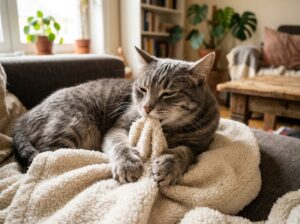
Your cat climbs onto your lap, begins kneading a soft blanket, and starts purring loudly.
Then, almost without warning, they place a corner of the fabric in their mouth and begin sucking on it.
The scene may remind you of a nursing kitten. For many cats, that is exactly where the behavior began.
Suckling is a natural nursing action in kittens. Some cats continue doing it after weaning because the rhythm, texture, and closeness create a sense of comfort. Adult cats may suckle blankets, clothing, stuffed toys, another animal, or even their owner’s skin.
Occasional suckling is not always harmful. However, the behavior deserves attention when it becomes constant, damages household items, irritates the skin, or leads to chewing and swallowing fabric.
Understanding the reason behind the habit is the first step in learning how to stop a cat from suckling safely and compassionately.
Important: Sudden, intense, or compulsive behavior should be discussed with a veterinarian, especially when it occurs with appetite changes, vomiting, dental discomfort, or fabric ingestion.
Cat suckling happens when a cat repeatedly sucks on a surface or object, often while kneading with the front paws.
Common targets include:
The behavior is often accompanied by purring, drooling, half-closed eyes, and a deeply relaxed posture.
For kittens, suckling provides milk and strengthens the bond with their mother. Adult cats may repeat the action because they still associate it with warmth, safety, and emotional comfort. Catster notes that adult suckling is often a leftover instinct from nursing and is not automatically a sign that something is wrong.
Kittens normally move gradually from nursing to solid food. When this transition happens too early, some kittens continue searching for a substitute nursing experience.
A kitten separated early from its mother may begin suckling blankets, clothing, or human skin. The habit can continue into adulthood because it has become part of the cat’s self-soothing routine.
Early weaning does not guarantee that a cat will suckle, and cats raised normally may also develop the habit. However, premature separation is considered one possible factor.
Many cats suckle when they are sleepy, affectionate, or completely relaxed.
The combination of kneading, purring, and sucking may recreate the emotional comfort of lying beside their mother. This is why the behavior often appears when a cat is resting on its owner or preparing to sleep.
A calm cat that suckles briefly without chewing or swallowing may simply be expressing comfort.
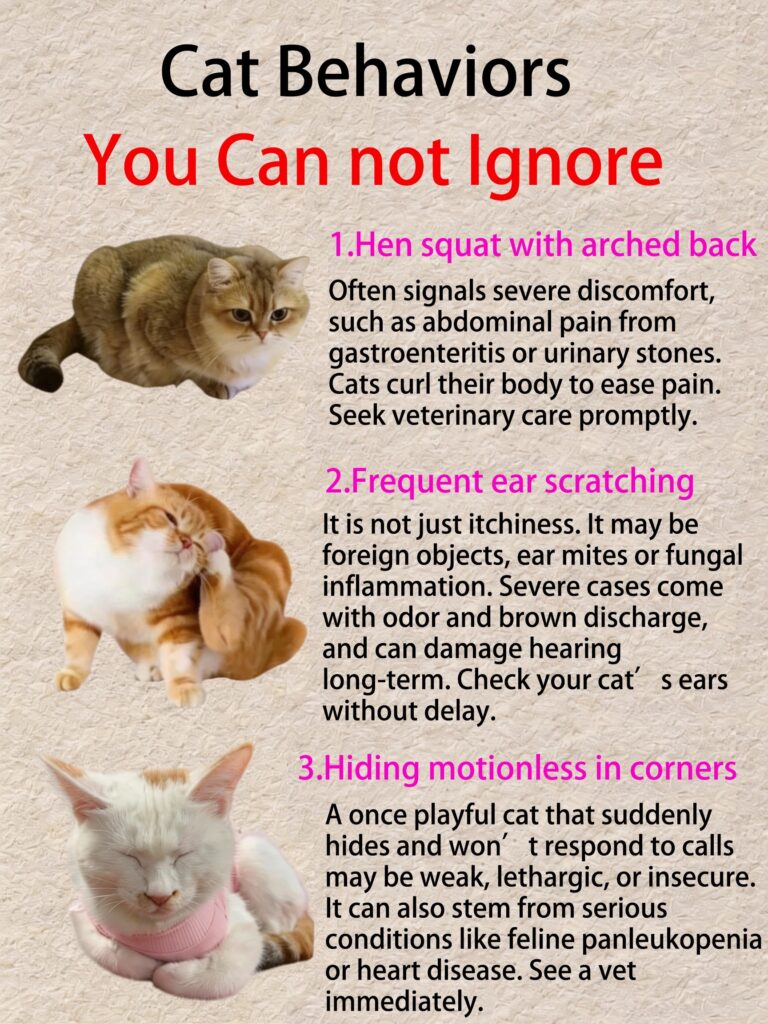
Some cats use suckling to calm themselves during stressful situations.
Possible triggers include:
Stress-related suckling may become more frequent after a major household change. A cat may appear unable to settle without performing the behavior.
If your cat suddenly begins suckling much more than usual, look for recent changes in their environment.
Indoor cats need opportunities to hunt through play, climb, scratch, explore, and solve small challenges.
Without enough stimulation, a cat may repeat comforting behaviors simply because nothing else is happening. Catster recommends adding mental and physical enrichment because boredom may contribute to repetitive suckling.
Suckling and fabric chewing appear more frequently in certain breeds, particularly Siamese and other Oriental-type cats.
Breeds mentioned as more likely to show compulsive suckling include Siamese, Balinese, Tonkinese, Javanese, Oriental Shorthair, and Oriental Longhair cats. The exact reason is not fully understood.
This does not mean every cat from these breeds will develop the behavior. It simply means owners may need to watch more carefully for fabric chewing and swallowing.
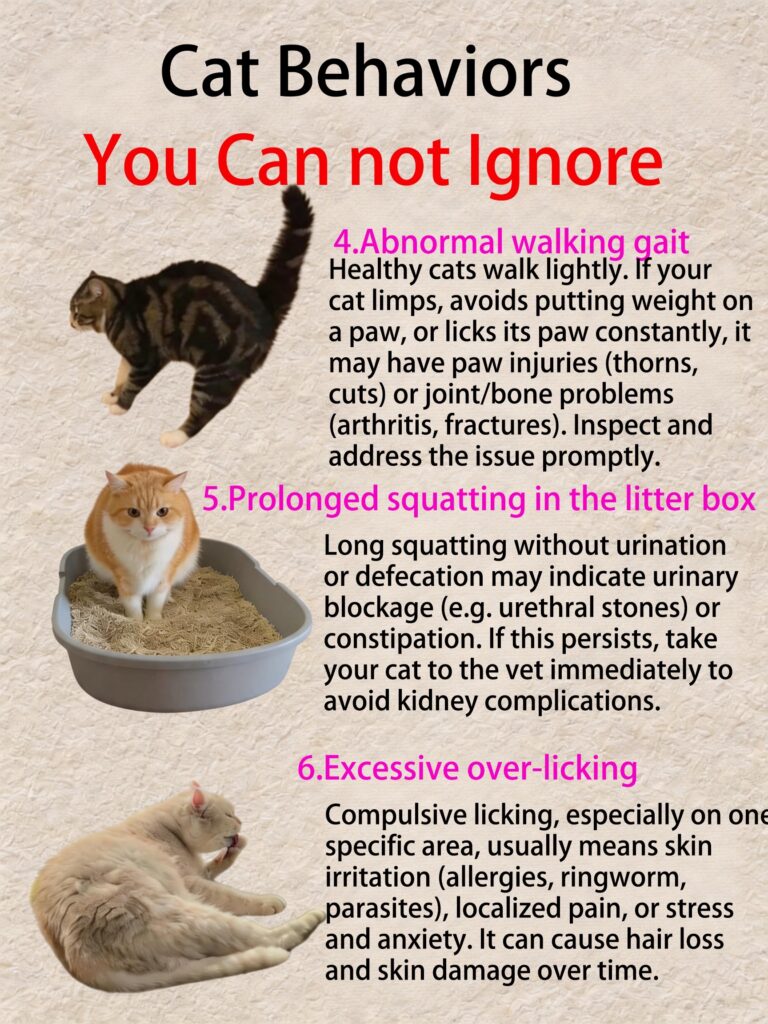
Most suckling is behavioral, but health problems should not be overlooked.
Dental pain, digestive discomfort, or another physical problem may occasionally lead to unusual oral behavior. Some cats also develop compulsive patterns in which they appear unable to stop despite attempts at redirection.
A veterinarian should evaluate the behavior when it:
Gentle suckling without fabric damage is often harmless.
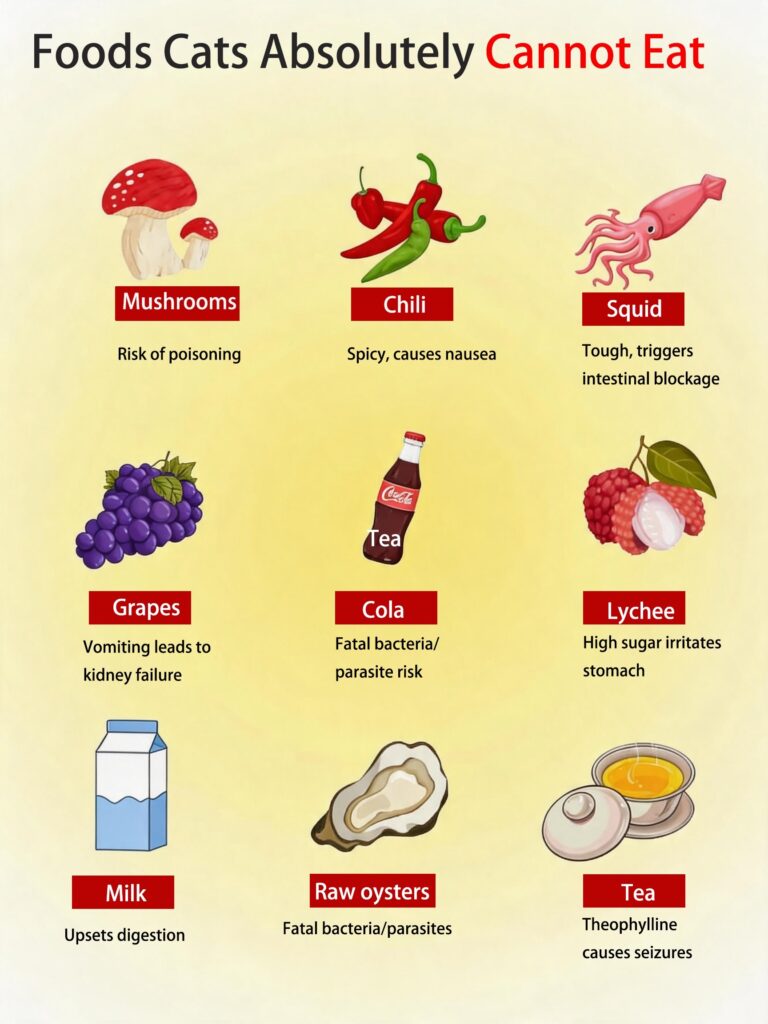
The risk increases when suckling becomes chewing. Cats that swallow threads, wool, fleece, foam, or pieces of clothing may develop an intestinal blockage.
Warning signs of swallowed fabric can include:
An intestinal obstruction can become life-threatening and requires urgent veterinary care.
Check suckled items regularly. Remove them if you notice loose threads, holes, missing fabric, or wet areas where the material is breaking apart.
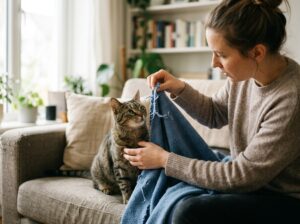
Observe when, where, and how the behavior occurs.
Write down:
A cat that suckles only before sleeping may be seeking comfort. A cat that begins after conflict with another pet may be responding to stress.
The correct solution depends on the reason.
Instead of suddenly taking away every comforting item, offer a safe alternative.
A washable plush toy or tightly woven blanket may work better than loose wool or fabric that sheds threads. Supervise your cat initially and inspect the replacement regularly for damage.
Redirect gently whenever your cat approaches an unsafe item. Place the safer object nearby and encourage your cat to settle on it.
Catster recommends offering an alternative object when a cat repeatedly targets a specific blanket or wool toy.
Punishment is unlikely to stop suckling and may make stress-related behavior worse.
Do not shout, spray water, push the cat away, or frighten them.
Instead, reward your cat when they:
Offer a small treat, gentle praise, or a short play session. Positive reinforcement helps your cat learn which activities bring better outcomes.
Provide your cat with predictable routines and safe places to retreat.
Helpful changes may include:
In multi-cat homes, provide enough resources so one cat cannot control access.
A commonly used guideline is one litter box per cat, plus one additional box. Food bowls, water stations, beds, hiding places, and scratching areas should also be distributed around the home.
Resource competition can be silent. One cat may block a doorway or stare at another without obvious fighting.
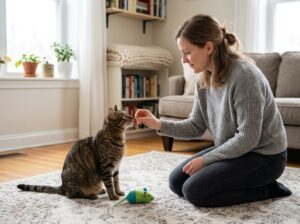
Redirect your cat’s need for repetitive stimulation into healthier activities.
Try:
Two or three brief play sessions may be more effective than leaving toys on the floor all day.
Allow your cat to stalk, chase, catch, and “finish” the game. End with a small meal or treat when appropriate.
Mental and physical stimulation can reduce boredom and help move your cat’s attention away from suckling objects.
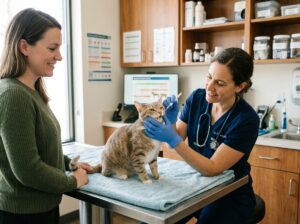
Arrange an appointment when the habit is severe, new, or potentially dangerous.
Your veterinarian may check for:
Treatment may involve environmental changes, behavioral support, management of an underlying illness, or medication in selected cases.
Do not give your cat calming supplements or human anxiety medication without veterinary approval.
Avoid methods that create fear or remove comfort without offering an alternative.
Do not:
Removing a blanket may stop the behavior temporarily, but it does not address anxiety, boredom, or the need for comfort.
It can be normal, especially when the cat is relaxed and does not damage or swallow the material. Monitor the behavior and contact a veterinarian if it becomes compulsive or dangerous.
Your warmth, scent, and skin may remind your cat of the closeness experienced while nursing. Some cats suckle their owner’s arm, neck, fingers, or clothing for comfort.
Some kittens stop as they mature, while others continue throughout adulthood. The behavior is more likely to persist when it has become a strong self-soothing habit.
Remove it when your cat is chewing, swallowing fibers, or causing damage. Replace it with a safer object and redirect the behavior gently rather than simply removing every comfort item.
Yes. Frequent self-soothing may be associated with stress or anxiety, especially when it increases after a change in the household. However, relaxed cats may also suckle without being anxious.
Contact your veterinarian if the behavior starts suddenly, becomes obsessive, involves fabric ingestion, causes injury, or appears with vomiting, reduced appetite, dental discomfort, or other signs of illness.
Cat suckling often begins as a comforting connection to kittenhood.
For some adult cats, kneading and sucking on a soft blanket is simply part of settling down for a peaceful nap. For others, it may become a response to boredom, stress, early weaning, or a compulsive urge.
The goal should not be to frighten your cat into stopping.
Instead, identify the trigger, remove dangerous fabrics, provide a safe replacement, increase enrichment, reward healthier behavior, and reduce stress throughout the home.
Learning how to stop a cat from suckling requires patience. Habits built around comfort rarely disappear overnight.
However, gentle redirection and consistent support can protect your belongings, reduce the risk of fabric ingestion, and help your cat find safer ways to feel secure.