Physical Address
840 Oakwood Rd, Charleston, WV 25314
Physical Address
840 Oakwood Rd, Charleston, WV 25314

Cats are masters at hiding discomfort.
They cannot sit beside us and explain that they feel lonely, frightened, bored, unwell, or overwhelmed. Instead, they communicate through subtle changes in their everyday behavior.
Perhaps your playful cat no longer chases their favorite feather toy. Maybe they have started hiding beneath the bed, leaving food in their bowl, sleeping in unusual places, or avoiding the family members they once followed everywhere.
One small change may not immediately signal a serious problem. However, several changes happening together—or one behavior that continues—should never be ignored.
Cats can display a low-mood state characterized by reduced interest in their environment and activities they previously enjoyed. However, many apparent signs your cat is depressed can also be caused by pain, illness, anxiety, or another medical condition. This is why a veterinary examination should be the first step when a cat’s normal behavior changes significantly.
Here are nine quiet signs your cat may be struggling and the steps you can take to help.
Important: This article provides general educational information and does not replace professional veterinary advice.
One of the first changes owners may notice is a loss of enthusiasm.
A cat that once sprinted after toy mice may watch them without moving. A normally curious cat may stop investigating shopping bags, cardboard boxes, open cupboards, or activities around the home.
They might also lose interest in:
Every cat has quieter days, particularly after an active period. The concern begins when the lack of interest continues and represents a clear change from your cat’s normal personality.
Reduced interest may be associated with stress or low mood, but it can also occur when movement is uncomfortable. Arthritis, dental pain, injury, and other illnesses can make a cat reluctant to play.

Cats naturally spend a large portion of the day resting. Therefore, simply seeing your cat asleep does not mean they are depressed.
Focus instead on changes from their usual routine.
Your cat may remain in bed through an activity that normally excites them, such as hearing their food container open. They may move slowly, abandon play after a few seconds, or choose to lie down instead of exploring.
You may also notice that they are technically awake but appear disconnected from everything happening around them.
Unusual tiredness requires attention because lethargy is not specific to depression. Kidney disease, anemia, infection, chronic pain, dental disease, and many other conditions can make a cat appear withdrawn or exhausted.
A veterinary appointment is especially important when low energy appears suddenly or occurs alongside appetite loss, weight changes, vomiting, increased thirst, breathing changes, or altered litter-box habits.
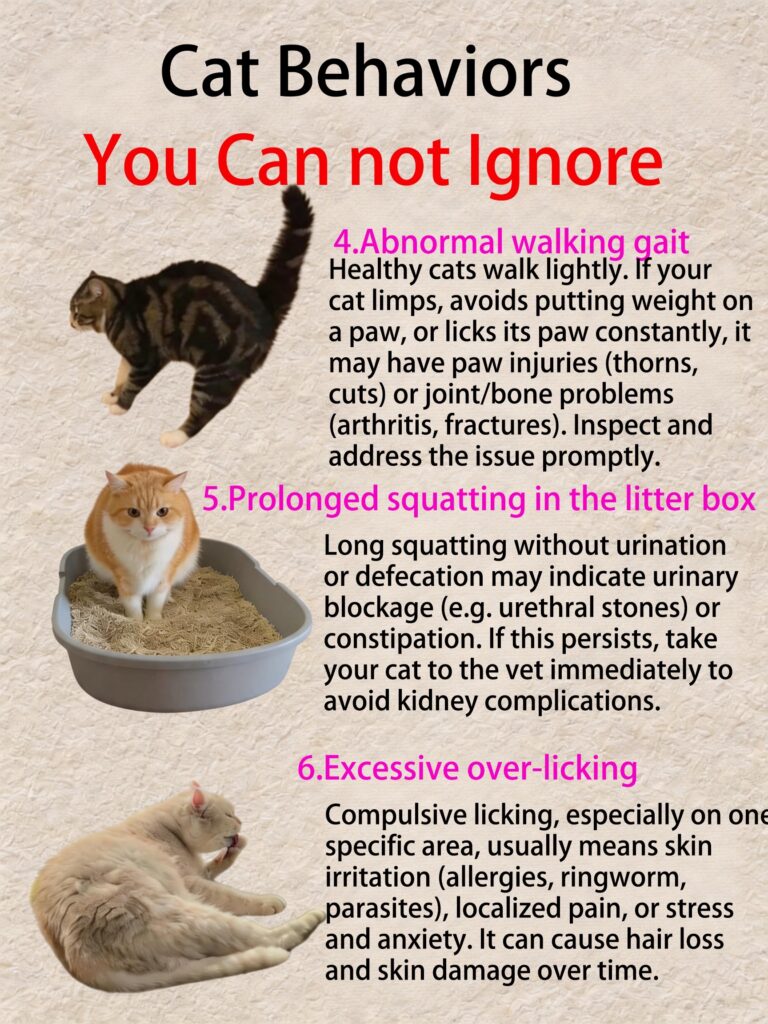
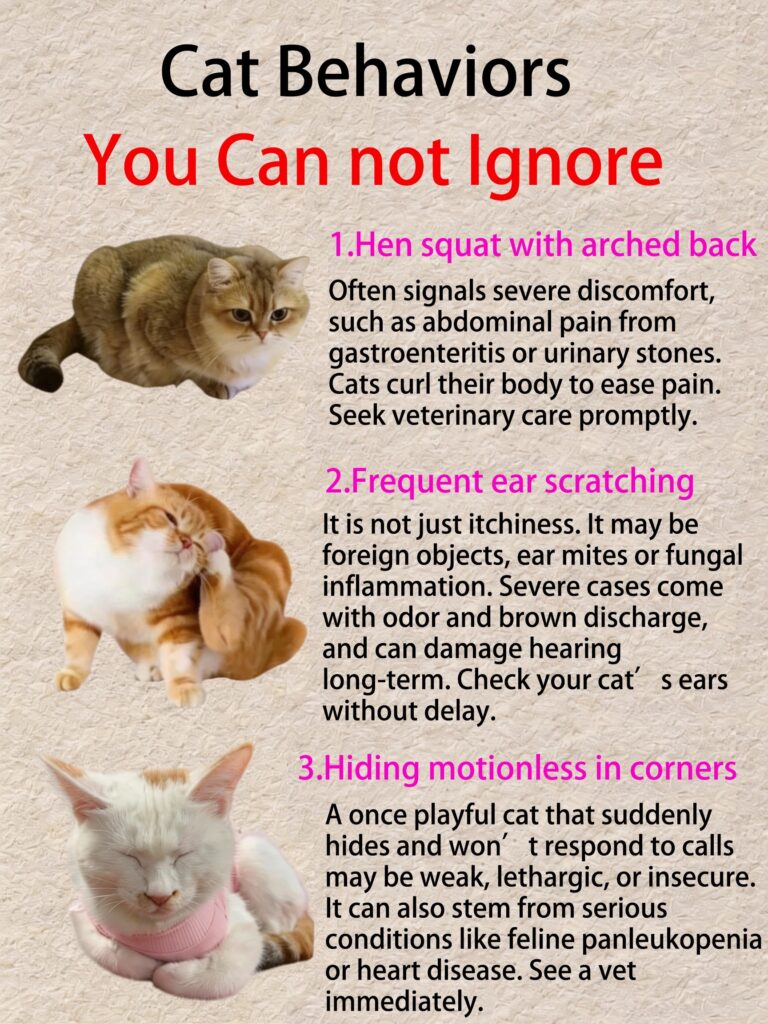
Most cats enjoy having private places where they can sleep without interruption. Hiding becomes concerning when a normally social cat suddenly disappears for much of the day.
They may begin spending time:
A stressed cat may withdraw and become unusually quiet rather than displaying an obvious emotional reaction. Hiding can also be a protective response when a cat feels sick, vulnerable, frightened, or in pain.
Do not drag your cat from their hiding place unless they are in danger. Give them a safe escape route, reduce noise, and observe whether they come out to eat, drink, and use the litter box.

A cat experiencing stress or emotional difficulty may eat less than usual. Some cats may do the opposite and eat more because they are bored or have fewer stimulating activities.
Watch for changes such as:
Appetite loss should never automatically be labeled as depression. Dental pain, nausea, kidney disease, digestive problems, infection, and many other medical conditions may reduce a cat’s desire to eat. Even relatively short periods of inadequate food intake can become medically important for cats.
Contact your veterinarian promptly when your cat refuses food, eats substantially less than normal, or displays additional symptoms.
A healthy cat usually spends time maintaining their coat. When they stop grooming normally, their fur may begin to appear greasy, tangled, dusty, or unkempt.
You may notice:
Reduced grooming may occur when a cat has lost interest in normal activities. However, an older or painful cat may also struggle to twist, bend, or reach certain areas.
Other cats react to stress by grooming too much. Persistent licking can produce broken hair, irritated skin, or bald patches. A veterinarian should examine both undergrooming and overgrooming because medical problems, parasites, allergies, pain, and stress can produce similar changes.

Not every struggling cat withdraws. Some seek constant reassurance.
A previously independent cat may suddenly follow you into every room, cry when a door closes, demand to sit on you, or become distressed when you prepare to leave.
Extra affection is not automatically a problem. The important question is whether the behavior is new, intense, and accompanied by other changes.
Clinginess can appear after:
Cats can form meaningful bonds, and the disappearance of a familiar companion may affect sleeping, playing, eating, and social behavior.
Offer reassurance, but do not force attention. Let your cat choose when and how they interact.
A gentle cat may unexpectedly begin swatting, hissing, growling, biting, or avoiding touch.
This does not necessarily mean your cat has become unfriendly. Irritability is often a warning that something feels wrong.
A cat may react aggressively because:
Never punish a cat for communicating discomfort. Shouting, spraying water, or forcing physical contact can increase fear and weaken trust.
Instead, stop the interaction, give your cat space, and arrange a veterinary assessment—especially when aggression is sudden or completely out of character. Pain and illness can produce many of the same behaviors that owners may mistake for depression.
A cat that has reliably used the litter box may suddenly urinate or defecate elsewhere. They might also visit the box more frequently, cry while using it, strain, or produce only a small amount of urine.
Stress can contribute to toileting problems, but medical causes must be investigated first.
Urinary disease, constipation, arthritis, pain, an unsuitable litter box, conflict with another pet, or difficulty reaching the box can all affect toileting behavior.
Seek urgent veterinary attention when your cat:
An inability to pass urine can be a medical emergency, particularly in male cats.

Some struggling cats become much quieter. Others meow, yowl, or cry more frequently—especially at night.
You may notice that your cat:
In senior cats, changes in vocalization, sleep patterns, memory, and social interaction may also be associated with cognitive dysfunction, hearing loss, pain, high blood pressure, or other age-related conditions. These changes should not simply be dismissed as normal aging.
Record when the vocalization happens and what occurs immediately before it. This information may help your veterinarian identify a pattern.
Cats depend heavily on familiarity. Changes that seem minor to humans can feel significant to an animal whose security comes from predictable territory, scent, resources, and routine.
Possible triggers include:
A cat may react when a bonded pet or familiar person disappears. They may search rooms, wait near doors, sleep in the companion’s usual place, or change their eating and playing habits.
A new home, renovation, unfamiliar furniture, a baby, a new roommate, or a major schedule change can disrupt a cat’s sense of safety.
Indoor cats need opportunities to climb, hide, scratch, observe, hunt through play, and make choices. A repetitive environment with little activity may contribute to frustration and withdrawal.
A cat may feel unsafe when another animal blocks access to food, water, resting places, doorways, or the litter box. Conflict is not always loud; staring and silent resource guarding can also create stress.
Arthritis, dental disease, injury, and chronic illness may prevent cats from doing things they previously enjoyed. Older cats may stop climbing or playing because the movement hurts—not because they have simply become lazy.
Kidney disease, thyroid problems, infection, anemia, gastrointestinal illness, hypertension, and other conditions can create lethargy, appetite changes, poor grooming, or withdrawal.
Do not assume the problem is purely emotional.
Write down:
Photos and short videos of unusual behavior can also be helpful during the appointment.
Your veterinarian may recommend a physical examination, dental assessment, urine testing, blood tests, imaging, or other investigations depending on your cat’s symptoms.
Feed your cat at similar times each day. Keep essential resources in familiar places whenever possible.
Predictability can help a worried cat feel more secure because they know when food, play, rest, and quiet time will occur.
When a change is unavoidable, introduce it gradually.
Use toys that allow your cat to stalk, chase, pounce, and capture.
Good choices include:
Keep sessions short and allow your cat to succeed by catching the toy. Never force a tired, painful, or frightened cat to play.

A secure hiding area allows a cat to retreat without becoming trapped.
Provide:
Do not reach inside or pull your cat from a designated safe space.
Cats with pain or limited mobility may need:
Simple environmental adjustments can help an older or painful cat regain independence.
Sit nearby, speak softly, and allow your cat to approach.
Some cats want more physical comfort during stressful periods. Others need quiet companionship without being touched.
Following your cat’s signals helps preserve trust.
When medical causes have been addressed but the behavior continues, your veterinarian may recommend a qualified feline behavior professional.
In some cases, treatment may involve environmental changes, behavior modification, pain management, or prescription medication. Medication should only be given under veterinary supervision.
Arrange a veterinary appointment when a behavior change is sudden, continues, or affects your cat’s normal quality of life.
Seek prompt or emergency care when your cat:
Waiting to see whether a cat “cheers up” can delay treatment for a painful or serious medical condition.
Cats can display a low-mood or behaviorally depressed state, including withdrawal and reduced interest in their surroundings. However, there is no simple home test, and many medical conditions cause similar signs. A veterinarian should rule out physical illness first.
Compare the behavior with your cat’s normal routine. A tired cat generally becomes interested when offered food, attention, or a favorite activity. A struggling cat may repeatedly remain disengaged and show additional changes involving appetite, grooming, hiding, social interaction, or toileting.
Cats may display changes in sleeping, eating, playing, and social behavior after losing a familiar companion. Maintaining routine and offering reassuring interaction may help them adjust.
Not automatically. A new animal can increase stress, particularly when the resident cat values solitude or is already struggling. Discuss the situation with your veterinarian or a qualified behavior professional before introducing another pet.
There is no universal timeline because the cause matters. A temporary response to environmental change may improve as the cat adjusts, while behavior caused by pain, illness, or ongoing conflict is unlikely to resolve until the underlying problem is addressed.
Indoor cats can become frustrated when their environment lacks opportunities for play, climbing, scratching, hiding, exploration, and choice. Regular enrichment and predictable interaction can improve their daily quality of life.
The most important sign is not a particular sleeping position, facial expression, or isolated behavior. It is change.
You know what is normal for your cat.
When the cat who once met you at the door begins hiding, when a favorite meal remains untouched, or when a playful companion suddenly stops interacting, pay attention.
These behaviors do not prove that your cat is depressed. They may indicate stress, grief, pain, illness, or another problem requiring professional care.
Recognizing the possible signs your cat is depressed gives you an opportunity to respond with patience rather than punishment—and to seek help before a quiet problem becomes a serious one.
Your cat may not be able to explain what has changed. But through careful observation, gentle support, and appropriate veterinary care, you can help them feel safe, comfortable, and connected again.