Physical Address
840 Oakwood Rd, Charleston, WV 25314
Physical Address
840 Oakwood Rd, Charleston, WV 25314

Your cat looks up at you with those beautiful, expressive eyes—but something appears different.
A small brown crust has formed in the inner corner. One eye seems wetter than the other, or perhaps the discharge returns shortly after you clean it.
Should you simply wipe it away, or could it be a sign of an infection?
Small amounts of dried material can occasionally collect near a healthy cat’s eyes as tears carry away dust and debris. However, continuous discharge, thick mucus, unusual colors, redness, swelling, or squinting can signal irritation, infection, injury, or another condition that needs veterinary attention. Eye problems can worsen quickly, so noticeable changes should not be ignored.
Here is what every cat owner should know about cat eye boogers, including possible causes, safe cleaning methods, and warning signs that mean it is time to contact a veterinarian.
Important: This article is for general education and does not replace advice or treatment from a qualified veterinarian.
“Eye boogers” is an informal term for material that collects inside or around a cat’s eyes.
It may appear as:
A healthy eye constantly produces a thin tear film. This moisture lubricates the eye, protects the cornea, and helps wash away dust and tiny particles. Normal blinking moves the tear film across the eye’s surface and directs excess fluid toward the tear-drainage system.
When the eye becomes irritated, inflamed, injured, or infected, tear and mucus production may increase. The resulting discharge can collect in the inner corner of the eye or spread across the surrounding fur.
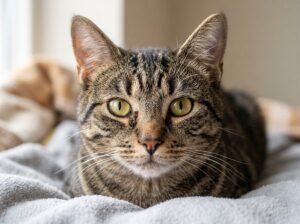
An occasional small, dry crust may be normal, especially after your cat wakes from a long sleep.
It may contain dried tears, natural oils, dust, or other tiny particles removed from the eye. A cat with normal eye crust should otherwise have:
However, discharge that returns throughout the day, affects the surrounding skin, or occurs with discomfort is less likely to be ordinary eye debris. Healthy cats generally should not have persistent discharge.
The most useful question is not simply, “Does my cat have eye boogers?”
Instead, ask:
Is this new, frequent, increasing, or accompanied by another change?
The appearance of the discharge can provide useful clues, but color alone cannot confirm the cause. Several conditions can create similar-looking symptoms, and a veterinarian may need to examine the eye using specialized equipment or diagnostic tests.
A small dry crust that appears occasionally may simply be dried tears mixed with debris.
Some light-colored cats also develop reddish-brown tear stains because pigments in tears remain on the fur. Persistent staining may occur when tears overflow instead of draining normally, particularly in flat-faced breeds.
Clear tears can result from mild irritation, dust, allergies, a blocked tear duct, an injury, or the early stage of an infection.
One watery eye may suggest a localized issue such as a foreign object or injury. Both watery eyes may be more consistent with environmental irritation, infection, or another broader cause—but exceptions are common.
Cloudy or whitish discharge is generally more concerning than an occasional dry crust. It may accompany inflammation, infection, or impaired tear quality.
Thick yellow or green mucus can occur with conjunctivitis and other eye infections. Cats may also display redness, swollen tissues, squinting, frequent blinking, nasal discharge, or sneezing.
Blood around or within the eye discharge requires prompt veterinary attention. Possible causes include injury, severe inflammation, ulceration, or another serious eye disorder.
Do not attempt to examine deeply inside the eye or remove any embedded material yourself.
A small amount of material may form as the eye naturally removes dust and debris.
This should be occasional, minimal, and easy to wipe away. It should not cause redness, pain, swelling, or repeated discharge.
Conjunctivitis is inflammation of the conjunctiva—the tissue covering the inner eyelids and parts of the eye.
It is one of the most common causes of eye discharge in cats. Signs may include:
Conjunctivitis may affect one or both eyes and can have infectious or noninfectious causes.
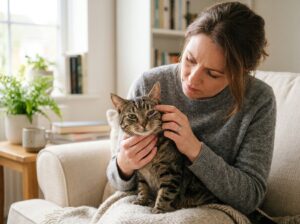
Feline herpesvirus type 1 is a frequent cause of feline conjunctivitis and upper-respiratory illness.
Affected cats may experience:
After infection, the virus can remain in the cat’s body and cause future flare-ups. Stressful events such as boarding, travel, illness, surgery, or household changes may contribute to a recurrence in some cats.
A veterinarian must determine whether antiviral treatment, supportive care, or another approach is appropriate.
Calicivirus and certain bacterial infections can also cause conjunctivitis and discharge.
Some upper-respiratory infections begin with clear eye discharge that later becomes thicker or yellowish. Sneezing, congestion, reduced appetite, fever, mouth ulcers, or lethargy may also occur.
Kittens and cats with weakened immune systems may be more vulnerable to complications.
Keep a symptomatic cat separated from unfamiliar cats until you have received veterinary guidance, as some causes can spread through eye and nasal secretions.
Airborne irritants may make a cat’s eyes water.
Possible triggers include:
Mild irritation may improve after the trigger is removed, but persistent tearing should still be evaluated. Irritation can resemble an infection, and cats may also injure the eye while rubbing it.
Cats can develop watery eyes or mucus-like discharge when exposed to allergens or environmental irritants.
Depending on the trigger, symptoms may be seasonal or present throughout the year. Both eyes are often affected, and the surrounding skin may become itchy or irritated.
Do not give your cat a human allergy medication without veterinary instructions. Some products and dosages that people use can be dangerous for pets.
Tiny pieces of dust, plant material, loose hair, sand, or other debris can become trapped beneath the eyelid or against the eye.
A cat with something in the eye may:
Foreign objects commonly affect only one eye, although this is not a guaranteed rule.
Never attempt to remove an object that appears embedded or stuck to the eye. Improper handling can scratch or puncture the cornea.
The cornea is the transparent outer surface of the eye. It can be damaged by:
A corneal ulcer can cause discharge, cloudiness, redness, sensitivity to light, rubbing, and significant squinting. A veterinarian may use fluorescein dye to make damaged areas visible during an examination.
Corneal injuries are painful and can worsen quickly. A cat holding one eye closed needs prompt care.
Tears normally drain through small ducts between the eye and nose.
When drainage is blocked or affected by facial anatomy, tears may spill down the face. This is called epiphora.
Possible causes include inflammation, scarring, anatomical abnormalities, or facial structure. Persian, Himalayan, and other flat-faced cats may be more prone to overflowing tears because their facial shape affects drainage.
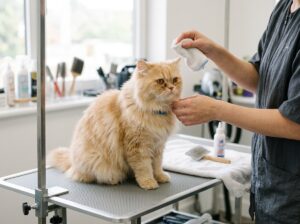
Some cats are born with or develop structural problems involving the eyelids.
For example, entropion causes the eyelid to roll inward. Hair or eyelashes may then rub against the eye, creating ongoing irritation, tearing, discharge, and possible corneal damage.
Other cats may have incompletely formed eyelids or abnormal hairs touching the eye. Some structural disorders require surgery rather than long-term cleaning alone.
Dry eye occurs when the tear film does not adequately protect the eye.
Although less common in cats than dogs, it can cause painful, red, irritated eyes with thick yellowish or mucus-like discharge. The eye may look dull, and the cat may blink excessively or keep the eye closed.
Because thick discharge may appear similar to an infection, veterinary testing is needed for an accurate diagnosis.
Contact a veterinarian promptly when you notice:
Eye conditions can be painful, and seemingly minor problems may progress to corneal damage, vision impairment, or other complications. Veterinary sources recommend timely examination when abnormal discharge, redness, or squinting appears.
Do not wait several days to see whether a painful eye improves on its own.
Cleaning can make your cat more comfortable, but it does not treat the underlying cause of recurring or abnormal discharge.
Prepare:
Wash your hands before and after touching the eye area. This helps avoid transferring dirt or infectious material.
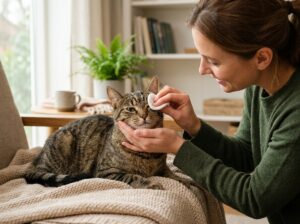
Use a soft cloth or gauze pad dampened with lukewarm water.
The material should be moist but not dripping. Avoid rough tissues that may leave fibers or irritate sensitive skin.
Hold the damp cloth gently against the crust for several seconds. Do not pull hard at material stuck to the fur.
Allow moisture to soften it first.
Use a gentle outward motion, moving away from the eye rather than toward it.
Never rub directly across the eyeball.
When both eyes need cleaning, use a fresh section of cloth or a separate pad for the second eye. This reduces the chance of spreading infectious discharge from one side to the other.
Do not force the eyelid open. If your cat cries, struggles intensely, holds the eye tightly closed, or appears painful, stop and contact your veterinarian.
The source article advises using a damp cloth or paper towel to clean around the eyes gently while avoiding attempts to pry a painful eye open.
Do not use any eye product unless your veterinarian confirms it is safe for your cat’s specific condition.
Avoid:
Steroid-containing eye medications can be dangerous when a corneal ulcer is present. Using the wrong medicine may delay healing or worsen the injury.
Even artificial tears or veterinary eye washes should be discussed with your veterinarian when your cat is already receiving topical medication, because products may interfere with the treatment schedule. Never allow a bottle tip to touch the eye.
Your veterinarian will examine the eyes and surrounding structures while considering your cat’s age, breed, vaccination history, symptoms, and recent exposures.
Testing may include:
Discharge color may offer clues, but it is usually insufficient to diagnose the condition accurately.
Treatment depends entirely on the cause and may involve eye drops, ointments, antiviral medication, antibiotics, pain relief, treatment of an underlying disease, removal of foreign material, or surgery for structural abnormalities.
Not every eye problem is preventable, but good routine care can reduce certain risks.
Gently remove ordinary debris before it becomes heavily crusted, particularly in long-haired and flat-faced cats.
Keep long facial hair clean and free from mats. Do not use scissors close to your cat’s eyes unless you are professionally trained.
Choose low-dust litter and limit exposure to smoke, aerosols, strong fragrance, and harsh cleaning fumes.
Routine veterinary examinations allow eye problems to be noticed earlier. Core feline vaccines provide protection against important respiratory viruses associated with eye and nasal discharge, although vaccination may not prevent every infection or symptom.
Keeping cats safely indoors reduces exposure to fights, plant injuries, chemicals, and other eye hazards.
Check your cat’s eyes regularly. Early veterinary care gives your cat the best chance of avoiding pain and long-term complications.
A small occasional brown crust may consist of dried tears, oils, and debris. Frequent buildup may be associated with excessive tearing, blocked drainage, irritation, infection, or facial anatomy.
A one-sided problem may occur with a foreign body, scratch, ulcer, blocked tear duct, or localized infection. However, several conditions can affect either one or both eyes, so laterality alone cannot establish the cause.
A clean soft cloth or gauze pad dampened with lukewarm water may be used to gently clean around the eye. Do not touch or rub the surface of the eyeball, force the eyelids apart, or use cleaning as a substitute for veterinary care when discharge is abnormal.
Yellow or green discharge is abnormal and can occur with infection and inflammation. Only a veterinary examination can confirm the cause and appropriate treatment.
Do not use human eye drops unless your veterinarian specifically instructs you to use a particular product. Ingredients and medications that are appropriate for people may be unsuitable or unsafe for cats.
Eye discharge combined with sneezing or nasal congestion may occur with an upper-respiratory infection. Herpesvirus, calicivirus, and other infectious causes are possibilities, but veterinary evaluation is needed.
Some causes, including certain viral and bacterial respiratory infections, can spread between cats through eye or nasal secretions and contaminated objects. Keep affected cats’ bowls, bedding, and supplies separate until you receive veterinary advice.
Finding a tiny crust near your cat’s eye does not always mean something is seriously wrong.
An occasional small piece of dry debris can be part of the eye’s natural cleaning process. But discharge that is persistent, thick, colored, or accompanied by redness, swelling, cloudiness, squinting, rubbing, or behavioral changes deserves attention.
Do not rely on the appearance of cat eye boogers alone to diagnose the problem. Infections, allergies, injuries, foreign objects, blocked tear ducts, eyelid abnormalities, and corneal ulcers can produce overlapping symptoms.
You may gently clean ordinary buildup with a soft damp cloth, but recurring discharge requires more than wiping. Because eye conditions can become painful and potentially threaten vision, early veterinary care is the safest choice.
Your cat cannot explain that their eye hurts. Careful observation—and acting when something changes—is one of the most important ways you can protect them.