Physical Address
840 Oakwood Rd, Charleston, WV 25314
Physical Address
840 Oakwood Rd, Charleston, WV 25314

Have you ever looked at your cat sleeping in the morning, then checked again in the afternoon and found them still asleep in another position?
Maybe your cat naps on the sofa, then moves to the window, then curls up on your bed, then sleeps again like they just finished a full day of work. It can make many cat owners wonder, “Is my cat lazy, bored, or is this normal?”
The good news is that sleeping a lot is usually normal for cats. Cats are natural resters. They sleep to save energy, stay alert, recover from activity, and follow instincts that come from their wild ancestors.
But there is also an important difference between a normal sleepy cat and a cat that may not be feeling well. Understanding your cat’s sleeping habits can help you know when everything is fine and when your cat may need extra attention.
In this post, we’ll explore why cats sleep so much during the day, what their sleeping behavior means, and how you can support a healthy routine for your feline friend.
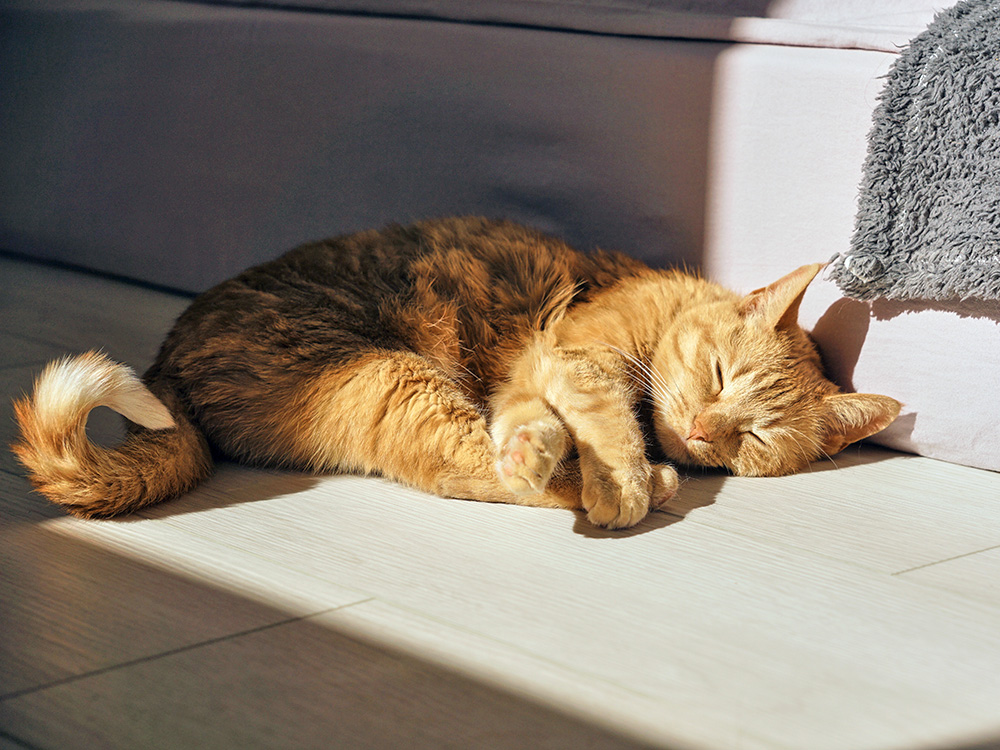
One of the biggest reasons cats sleep so much is because their bodies are designed to save energy.
Even though your house cat may not need to hunt for food, they still carry many instincts from wild cats. Hunting requires quick bursts of energy. A cat may stalk, chase, jump, and pounce in a short moment. To prepare for that kind of action, cats rest a lot.
This is why your cat may sleep for hours, then suddenly run through the house like a tiny wild animal. That sudden burst of energy is often called the “zoomies.” It may look random, but it makes sense when you understand how cats use energy.
Cats do not usually stay active for long periods like some dogs do. Instead, they prefer short moments of play, exploring, climbing, or chasing, followed by long rest periods.
So when your cat sleeps through the afternoon, it does not always mean they are bored or lazy. Their body is simply doing what cat bodies are built to do: rest, recharge, and stay ready.
Many people think cats are fully nocturnal, but that is not completely true. Cats are often more active during early morning and evening.
This is one reason your cat may sleep so much during the day. While you are awake and busy, your cat may be enjoying their quiet rest time. Then, when the sun goes down or early morning arrives, they may become more playful and alert.
This explains why your cat may suddenly want attention when you are trying to sleep. They may jump on the bed, walk across your body, meow near your face, or play with toys at night.
To your cat, those low-light times feel natural for activity. Their eyes are also well suited for dim light, which helps explain why they may seem more awake when the house gets darker.
If your cat sleeps most of the day and becomes active in the evening, it is often part of their natural rhythm. You can help by giving your cat playtime before bedtime. A short play session with a feather toy, ball, or string toy can help release energy before you sleep.
After playtime, offer a small meal or treat. This can help your cat feel satisfied and more ready to rest.

Even when cats sleep, they are not always in deep sleep. Many cat naps are light naps.
You may notice your cat sleeping with one ear moving, one eye slightly open, or their body ready to react. This is because cats are naturally alert animals. In the wild, they need to rest while still being aware of sounds, movement, and possible danger.
Your indoor cat may live a safe life, but the instinct remains.
That is why your cat may wake up quickly when they hear food, a toy, a door opening, or even your footsteps. They may look completely asleep, but their senses are still working.
Deep sleep does happen, but cats also spend a lot of time dozing lightly. During these light naps, they are resting while staying ready.
This is also why cats often choose sleeping spots carefully. They may sleep on a high shelf, near a window, under a chair, inside a box, or beside you. These places help them feel safe while they rest.
A cat’s sleeping place tells you a lot about how they feel. If your cat sleeps near you, they likely trust you. If they sleep in hidden places, they may want quiet, warmth, or extra security.
A cat’s age can affect how much they sleep.
Kittens often sleep a lot because their bodies are growing. Sleep helps support development, strength, and energy. After waking up, kittens may play very hard for a short time, then suddenly fall asleep again.
This is normal. Kittens use a lot of energy exploring the world, learning how to climb, practicing hunting skills, and playing with toys or siblings.
Senior cats may also sleep more than younger adult cats. As cats age, they may have less energy, move more slowly, or prefer quieter routines. Older cats may enjoy warm, soft sleeping spots and may nap more often throughout the day.
However, with senior cats, it is important to watch for changes. Sleeping more can be normal with age, but sudden changes in activity, appetite, weight, grooming, or litter box habits should not be ignored.
The key is knowing your cat’s normal behavior. Some cats naturally sleep more than others. What matters most is whether your cat’s sleep pattern suddenly changes.
Indoor cats often have a peaceful life. They do not need to hunt for meals, escape bad weather, or protect themselves from outdoor danger. Because their environment is safe and comfortable, they may spend more time sleeping.
Soft beds, warm sunlight, quiet rooms, and cozy blankets all encourage rest. Many cats also love sleeping in places that hold heat, such as sunny windowsills, laundry piles, sofas, or even your laptop keyboard.
Comfort is one of the simple reasons your cat naps so much.
But indoor life can also become boring if a cat does not have enough activity. A bored cat may sleep more because there is not much else to do.
To keep your cat’s day healthier, try adding enrichment. This can include scratching posts, cat trees, window perches, puzzle feeders, tunnels, and daily playtime.
Even 10 to 15 minutes of active play can make a big difference. Use toys that allow your cat to chase, jump, stalk, and pounce. These activities match their natural instincts and help them stay mentally and physically healthy.
A happy cat needs both rest and stimulation.
Cats do not sleep anywhere by accident. They usually choose places that make them feel safe.
Some cats like high places because they can watch the room from above. Some like small spaces because they feel protected. Some prefer sleeping beside their owner because it gives them comfort and warmth.
This is why cats may love boxes, closets, beds, laundry baskets, shelves, or soft corners of the sofa. These places feel like safe little resting zones.
If your cat sleeps near you, on your bed, or beside your chair, it can be a sign of trust. Cats are more vulnerable when sleeping, so choosing to sleep near you may mean they feel protected around you.
You can help your cat sleep better by giving them a few comfortable choices. A good cat sleep area should be quiet, soft, warm, and away from too much noise.
Some cats like open beds. Others prefer covered beds. Watch what your cat chooses naturally, then create a resting spot that matches their preference.
When cats feel safe, they sleep better.
Most of the time, daytime sleeping is normal for cats. But sometimes, a change in sleep can be a sign that something is wrong.
You should pay attention if your cat suddenly sleeps much more than usual or seems weak, uninterested, or difficult to wake. Also watch for other signs, such as:
The most important thing is change. If your cat has always been sleepy but still eats, plays, grooms, and acts normal, there may be no problem. But if your cat’s normal routine suddenly changes, it is better to be careful.
Cats are very good at hiding illness. Sometimes the first sign of a problem is not loud crying or obvious pain. It may simply be that your cat sleeps more, hides more, or stops acting like themselves.
If you are worried, contact a veterinarian. It is always better to check early than to wait too long.
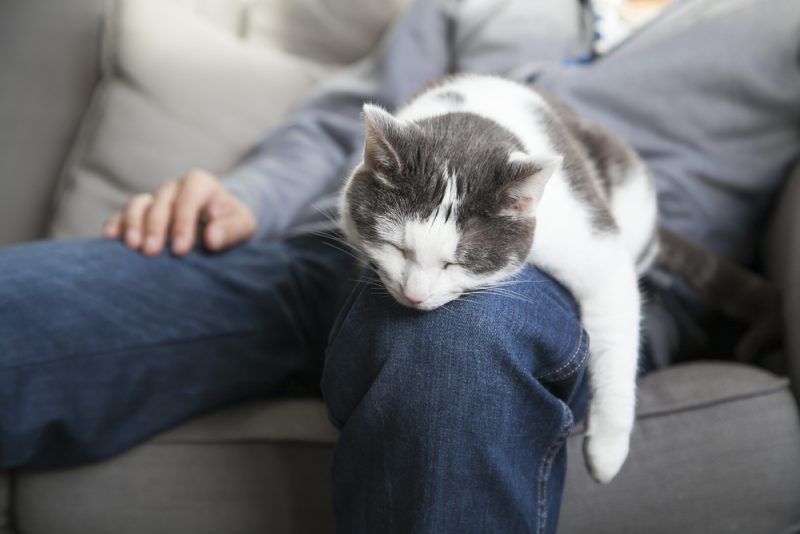
You do not need to stop your cat from sleeping during the day. Sleep is a normal and important part of feline life.
However, you can help your cat balance sleep and activity with a few simple habits.
First, create a comfortable sleeping area. Give your cat a soft bed, a warm blanket, or a quiet corner where they can rest without being disturbed.
Second, give your cat daily playtime. Short play sessions are better than nothing. Try playing in the morning and evening when your cat is naturally more active.
Third, add mental stimulation. Puzzle feeders, treat toys, scratching posts, climbing trees, and window perches can help your cat stay entertained.
Fourth, keep a routine. Cats feel safer when they know what to expect. Feeding, playing, and quiet time at similar times each day can help your cat feel calm.
Finally, watch for changes. Your cat’s normal sleep pattern is part of their health story. If something changes suddenly, take it seriously.
A healthy cat can sleep a lot and still be bright, playful, curious, and loving when awake.
Cats sleep so much during the day because it is part of who they are. Their bodies are built to rest, save energy, and become active in short bursts. Daytime naps help them recharge, stay alert, and feel safe.
Your cat is not lazy. They are following natural instincts that have been part of feline behavior for generations.
Most of the time, a sleepy cat is simply a normal cat. But as a caring owner, you should always pay attention to changes. If your cat suddenly sleeps much more than usual, stops eating, hides often, or seems weak, it may be time to speak with a veterinarian.
So, the next time your cat spends the whole afternoon curled up in a sunbeam, let them enjoy it. To your cat, that peaceful nap is not wasted time.
It is part of a happy, healthy cat life.







At age 84 I have learned or realized almost all of the traits you mentioned. I have owned pet dogs, cats, goats, cattle (especially Brahmas) & pigs. I truly believe people who love & care for animals are different in many good ways from those who do not. This attitude toward animals has been passed to my daughter & her 4 children also. My husband was also a friend to animals as was my Father.