Physical Address
840 Oakwood Rd, Charleston, WV 25314
Physical Address
840 Oakwood Rd, Charleston, WV 25314

Cat Health & Behavior | Pet Care Guide | Approximately 1,500 Words


Cats are wonderful companions, known for their playful personalities, independent nature, and sometimes mysterious behaviors. Whether they are chasing toys, sleeping peacefully, or watching birds through a window, every movement can tell us something about how they feel.
However, not all cat behaviors are harmless.
Unlike humans, cats cannot explain when they are experiencing discomfort, pain, or illness. Instead, they communicate through body language, movements, posture, and changes in their daily routines.
One of the most challenging aspects of feline care is that cats naturally tend to conceal signs of weakness. This survival instinct means that some illnesses can develop before owners notice obvious symptoms.
A cat that suddenly sits differently, scratches its ears constantly, or spends long periods hiding in unusual places may be communicating that something is wrong.
Recognizing these changes early can help cat owners obtain appropriate veterinary care before a condition becomes more serious.
In this guide, we explore three important behaviors every cat owner should understand: a hunched squat with an arched back, frequent ear scratching, and hiding motionless in corners.
These behaviors do not always indicate illness, but when they are unusual, persistent, or accompanied by other symptoms, they deserve attention.
Have you ever noticed your cat sitting low to the ground with its back rounded, head lowered, and legs tucked close to its body?
This posture is sometimes described as a hunched or crouched position.
Although cats naturally arch their backs while stretching, playing, or reacting to fear, a persistent hunched posture may indicate discomfort.
The difference often lies in how your cat behaves before and after assuming the position.
A healthy cat may arch its back briefly, stretch its muscles, and return to walking normally. A cat experiencing pain may remain unusually still, appear tense, or avoid moving.
Abdominal discomfort: Digestive problems, constipation, or other internal conditions can sometimes cause cats to adopt protective positions.
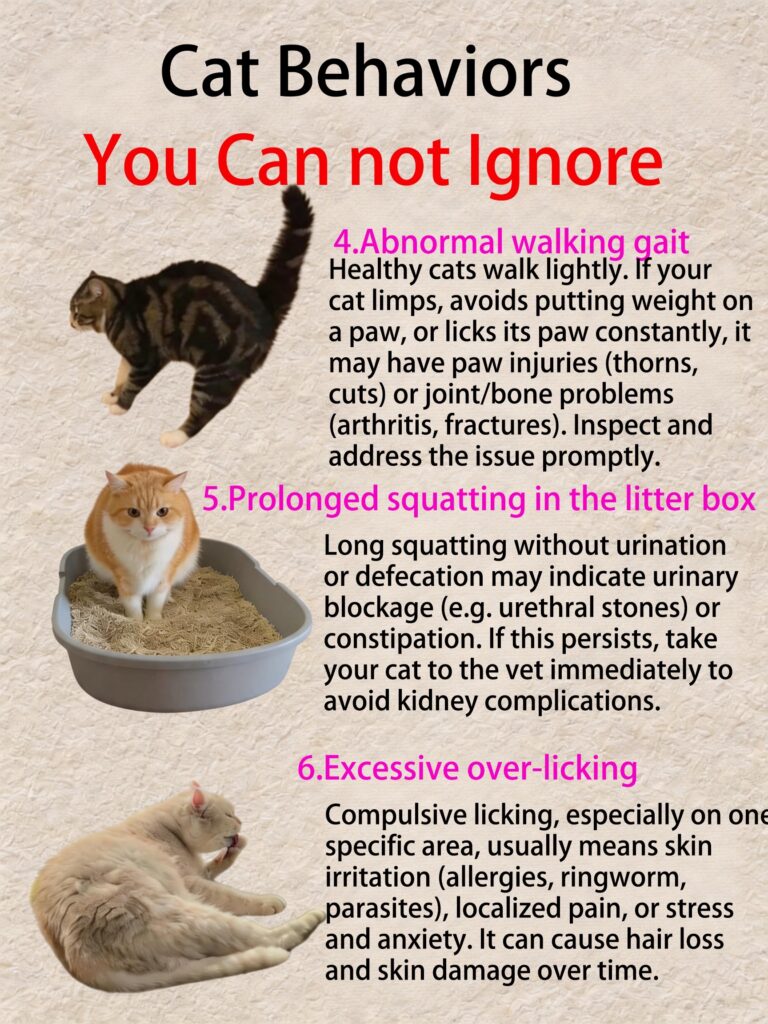
Urinary tract problems: Cats experiencing bladder inflammation or difficulty urinating may crouch, strain, or repeatedly visit their litter boxes.
Muscle or joint pain: Arthritis, injuries, or back discomfort may cause a cat to move cautiously and sit in unusual positions.
General illness: Some sick cats become less active and sit hunched because they feel weak or uncomfortable.
Veterinary guidance identifies a hunched posture and changes in normal movement as possible signs of illness.
Usually normal
Your cat briefly arches its back while stretching, then walks, plays, eats, and behaves normally.
Potential warning sign
Your cat stays hunched, seems tense, refuses to jump, hides, eats less, or appears uncomfortable when moving.
If your cat remains hunched or acts uncomfortable, arrange a veterinary examination promptly.
Pay particular attention to litter box behavior. A cat repeatedly attempting to urinate but producing little or no urine may have a urinary obstruction.
A suspected urinary blockage is a life-threatening emergency requiring immediate veterinary treatment, especially in male cats.
Never press on your cat’s abdomen or give human pain medication.
Instead, keep your cat comfortable and observe changes in movement, appetite, and urination.

Every cat scratches its ears occasionally. Just like humans, cats sometimes experience a temporary itch.
However, frequent or intense ear scratching is not something owners should ignore.
If your cat repeatedly scratches one or both ears, shakes its head, or rubs its ears against furniture, there may be an underlying problem.
Ear discomfort can interfere with normal activities, including sleeping, grooming, and playing.
Ear mites: Ear mites are tiny parasites that can cause significant irritation. They are particularly common in kittens and cats that have close contact with infected animals.
Ear infections: Bacterial or yeast infections can cause discomfort, redness, discharge, or unpleasant odors.
Allergies: Environmental or food-related allergies may contribute to itchy skin, including the areas around the ears.
Foreign material: Debris or plant material trapped in or around the ear can create irritation.
Skin conditions: Inflammation affecting the skin may cause a cat to scratch around its ears, face, and neck.
These conditions can produce similar symptoms, which is why a proper veterinary examination is important.

Look for repeated head shaking, dark waxy material, an unpleasant odor, redness, swelling, or sensitivity when the ears are touched.
Some cats may tilt their heads or appear less comfortable moving around.
Dark ear debris can occur with ear mites, but it is not enough to confirm a diagnosis. Ear infections and other conditions may look similar.
Arrange a veterinary appointment if scratching is frequent or persistent.
Your veterinarian may examine the ear canal and collect a sample to identify mites, yeast, or bacteria.
Treatment depends on the cause. Some conditions require prescribed ear medication, while others need parasite control or allergy management.
Do not place cotton swabs deep inside your cat’s ears or use human ear drops.
Avoid home remedies such as essential oils, vinegar, or alcohol-based solutions, which may worsen irritation.
If your cat develops sudden balance problems, a pronounced head tilt, or severe pain, seek urgent veterinary care.
Healthy ears help cats remain comfortable, alert, and responsive to their environment. Taking persistent scratching seriously can prevent unnecessary discomfort.

Cats naturally enjoy private spaces.
You may find your cat sleeping beneath a bed, resting in a cardboard box, or hiding behind furniture. These behaviors can be completely normal.
Cats often seek quiet locations because they feel secure there.
However, there is an important difference between a cat choosing to rest peacefully and a cat suddenly hiding for unusually long periods while remaining almost motionless.
A normally playful or affectionate cat that unexpectedly withdraws from daily activities may be experiencing stress, pain, or illness.
In nature, appearing weak can make an animal more vulnerable.
Domestic cats retain instincts that encourage them to conceal discomfort and seek sheltered locations.
This means a sick cat may hide rather than openly display obvious symptoms.
Veterinary experts identify sudden withdrawal, prolonged inactivity, and changes in social behavior as possible indicators of underlying health problems.
Pain or injury: Cats with painful joints, dental problems, or injuries may avoid movement and interaction.
Illness: Fever, infections, digestive conditions, and other medical problems can cause reduced energy and unusual hiding.
Fear or stress: Loud noises, unfamiliar visitors, moving homes, or introducing new pets may encourage a cat to seek a quiet hiding place.
Age-related conditions: Older cats may become less active or withdraw because of pain, sensory changes, or other health problems.
General weakness: A cat that is unusually weak may remain still because moving requires too much effort.

Observe whether your cat responds to its name, favorite toys, familiar sounds, or food.
A cat hiding because of a temporary disturbance may come out once the environment becomes peaceful.
A cat experiencing illness may continue hiding, refuse food, or appear unusually weak.
Other warning signs include:
Refusing food or drinking significantly less than normal.
Avoiding interaction despite previously being affectionate.
Remaining motionless for unusually long periods.
Showing changes in breathing or litter box habits.
Appearing weak, disoriented, or unable to walk normally.
First, create a calm environment and avoid forcing your cat out of its hiding place unless immediate safety requires it.
Place food, fresh water, and a litter box nearby if your cat can reach them.
Pay attention to whether your cat is eating, drinking, walking, and urinating normally.
If hiding begins suddenly without an obvious explanation, contact your veterinarian promptly.
Seek emergency care immediately if your cat is unresponsive, struggling to breathe, unable to stand, or unable to urinate.
Cats often hide signs of illness, and sudden withdrawal should not automatically be dismissed as a personality change.
| Behavior | Possible explanation | Recommended action |
|---|---|---|
| Hunched squat and rounded back | Pain, discomfort, urinary problems | Veterinary assessment; emergency if unable to urinate |
| Frequent ear scratching | Ear mites, infection, allergies | Schedule an ear examination |
| Hiding motionless in corners | Stress, pain, illness, weakness | Check for other symptoms and contact a vet |
Understanding your cat requires more than observing one isolated behavior.
Every cat has a unique personality. Some are energetic and social, while others naturally prefer quiet environments.
The most useful approach is to become familiar with what is normal for your individual cat.
Pay attention to everyday habits such as feeding times, sleeping patterns, grooming, playfulness, and litter box use.
A sudden change from these routines may be more meaningful than a behavior that has always been part of your cat’s personality.
For example, a shy cat hiding during a thunderstorm may be behaving normally. However, an outgoing cat that suddenly refuses to leave a dark corner deserves closer attention.
Likewise, a brief playful back arch is normal, while persistent hunching combined with reduced appetite can indicate discomfort.
Taking short videos of unusual movements or behaviors may help your veterinarian understand what is happening.
Observe your cat’s appetite. Changes in food consumption may be early signs of discomfort or illness.
Check litter box habits. Pay attention to unusual straining, changes in urination, or constipation.
Notice activity levels. Reluctance to jump, play, or move normally may indicate pain.
Monitor grooming behavior. Excessive scratching, reduced grooming, and changes in coat condition deserve attention.
Schedule regular veterinary examinations. Preventive care helps identify problems that may not yet cause obvious symptoms.
These simple habits allow you to recognize changes early and provide your veterinarian with useful information.
Not every unusual behavior represents a medical emergency. However, it is important to recognize situations in which waiting may be dangerous.
Seek emergency veterinary care for these signs
Difficulty breathing or open-mouth breathing.
Repeated attempts to urinate with little or no urine.
Collapse, unresponsiveness, or inability to stand.
Severe pain or sudden loss of balance.
Suspected poisoning or significant injury.
For persistent ear scratching, new hiding behavior, or an uncomfortable hunched posture without emergency symptoms, contact your veterinarian to arrange an appropriate examination.
Do not give cats human medicines unless specifically prescribed by a veterinarian.
Cats may not speak our language, but their actions can reveal important information about their health and well-being.
A hunched squat with an arched back may indicate pain or discomfort. Frequent ear scratching may suggest irritation, parasites, or infection. Suddenly hiding motionless in corners may reflect stress, illness, or weakness.
These behaviors are not diagnoses, and many have harmless explanations. What matters most is recognizing when your cat acts differently from normal.
By observing daily routines, responding to unusual changes, and seeking veterinary guidance when necessary, you can help your furry companion stay comfortable and healthy.
Sometimes, the smallest change in your cat’s behavior carries the biggest message. Paying attention today could protect their health tomorrow. ❤️🐱